Coastal Sonoma Ranches
Bodega, Bodega Bay, Occidental & the Estero Americano
"The Sonoma coast breaks differently from the Marin coast. Fewer easements, smaller parcels, a different building regime — and legal ocean access that requires careful, property-specific diligence."
A distinct market from both inland Petaluma and West Marin
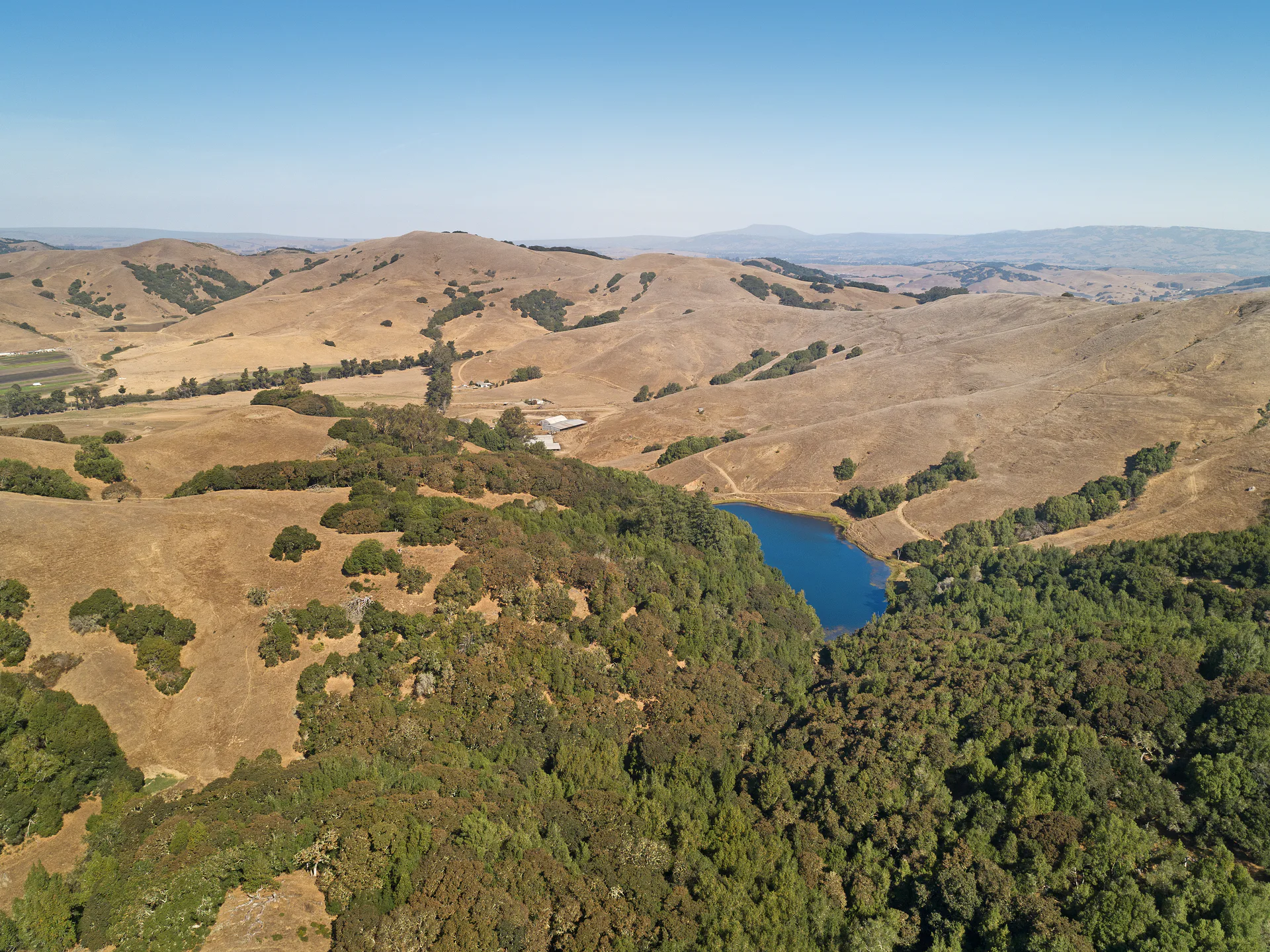
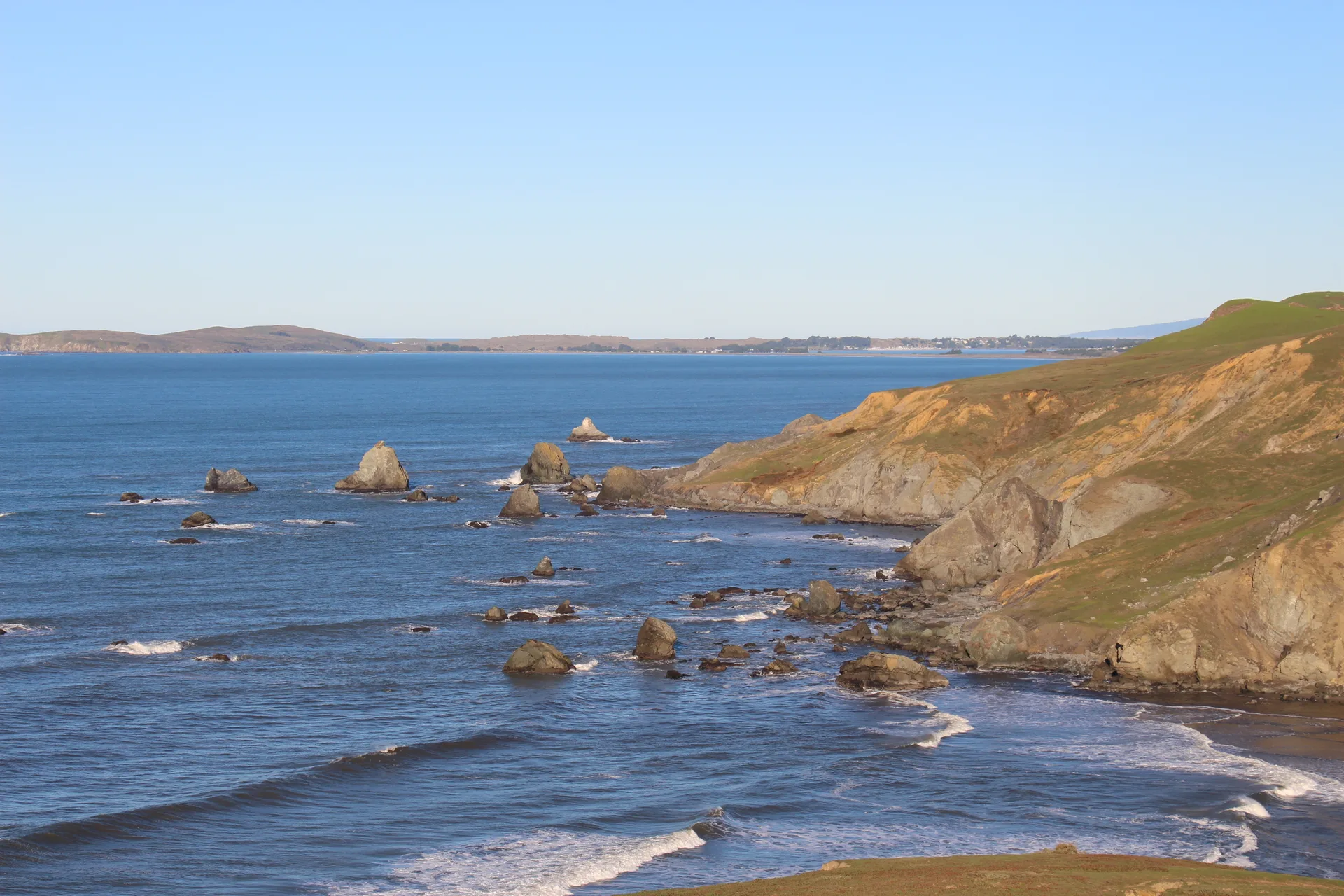
Coastal Sonoma begins where the Estero Americano separates Marin from Sonoma and runs north through Bodega Bay, Bodega, the Joy Road ridgelines above Occidental, and the coastal bench land toward Jenner. It's a distinct market from inland Petaluma dairy country and from West Marin across the estero. The topography is more dramatic. Coastal bluffs that drop three hundred feet to surf. Inland ridges that climb through oak woodland into the redwoods at Occidental. Forested valleys that feel closer in character to Mendocino than to Marin.
The regulatory architecture is different too. Sonoma County's Local Coastal Program governs parcels within the coastal zone — a different boundary and a different review process than what applies to ranches ten miles inland. Properties outside the LCP fall under standard Sonoma County zoning, typically LIA (Land Intensive Agriculture) or RRD (Resources and Rural Development). Williamson Act contracts are common but not universal. MALT doesn't operate here; the equivalent conservation tool is the Sonoma County Agricultural Preservation and Open Space District, which holds a meaningful but smaller easement portfolio than MALT's Marin footprint.
Historical land-use patterns produced a different parcel pattern than the inland dairy consolidations, with inventory shaped by family ownership, conservation constraints, access, and coastal permitting. Public offerings with legal Pacific access are limited, so buyer diligence usually starts well before a specific property is offered.
The Pacific Coast Ranch I brokered at 1,252 acres with ocean frontage was one of the defining transactions of my career. Properties at that scale are now exceptionally uncommon in this corridor because later ownership and subdivision patterns changed the landscape.
What you'll find here
Ocean-frontage ranches with true coastal access. A handful of legacy holdings between Bodega Head and the Mendocino line. Inventory is thin, ownership timelines are long, and many potential sales begin with family, estate-planning, or succession conversations before any public offering exists. If you're in the market for this class of property, you need current public-market awareness, historical context, and a broker who understands the public listing and seller-instruction process when a property is actually offered.
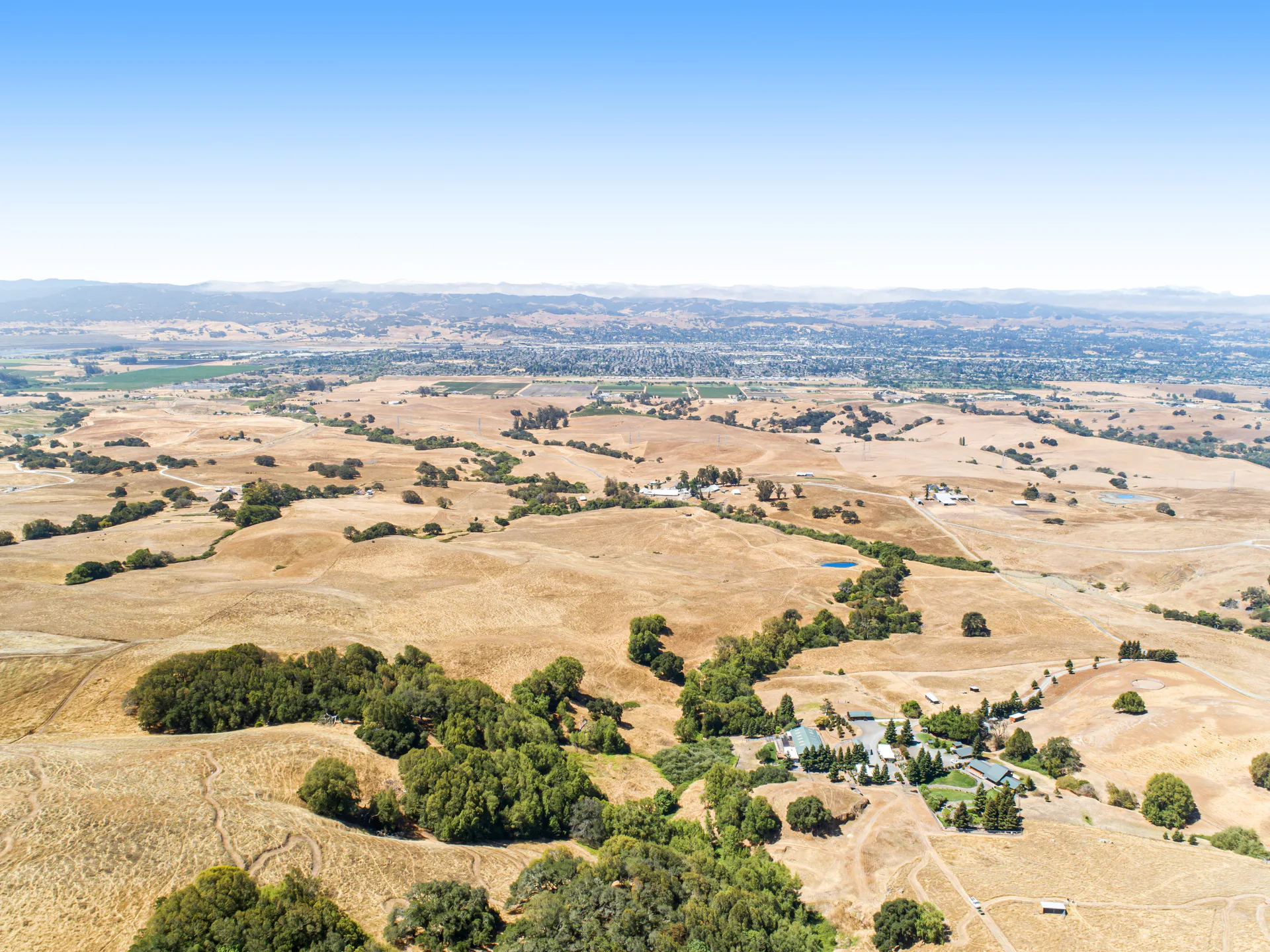
Coastal-bench cattle ranches along the Bay Hill and Joy Roads corridors. These are working-scale properties where marine fog, water, soils, access, and topography all influence grazing and agricultural feasibility. The same climate can make vineyard assumptions risky unless a site-specific assessment supports them.
Smaller country-estate parcels around Occidental and the Bohemian Highway corridor. These trade on a different market dynamic: proximity to the Russian River and Sebastopol, residential finish, access, privacy, and a buyer pool that may overlap with the wine-country estate market farther inland. Acreage alone will not explain value here.
A handful of Estero-adjacent parcels along the Sonoma-Marin boundary — some straddling the line, some with Sonoma addresses but functionally oriented toward the Marin dairy community. These carry pricing and diligence characteristics of West Marin ranches, including MALT-easement-adjacent considerations on some parcels. Geography doesn't always match jurisdiction here, and that creates opportunities for buyers who read maps carefully.
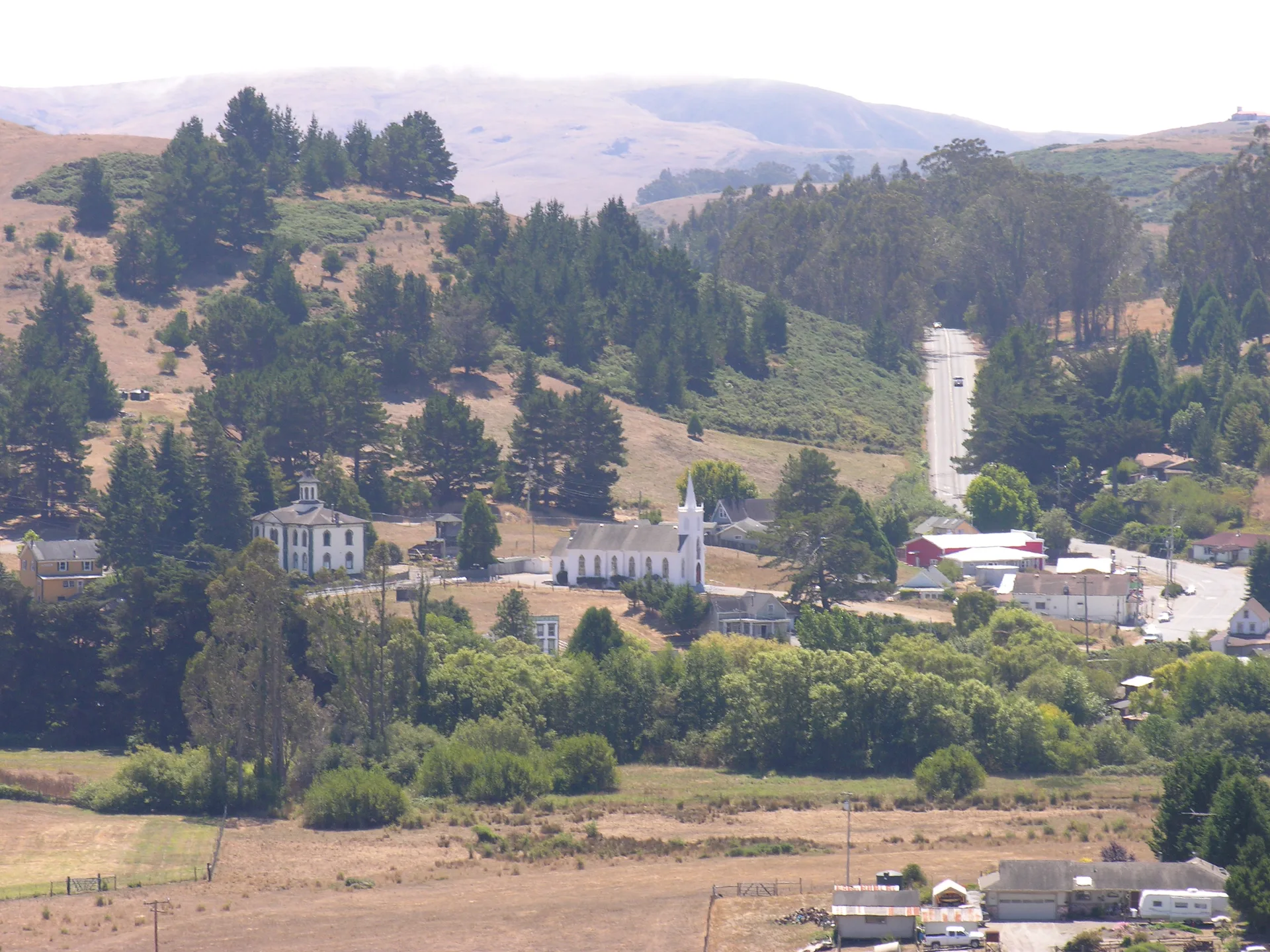
Coastal Sonoma by community
These are quick orientation notes, not separate inventory pages. The useful diligence usually starts with the broader Coastal Sonoma market context, then narrows to the exact parcel.
Ranches I've represented in Coastal Sonoma
Every card below is a past ranch transaction. Click through for property-level detail — acreage, photos, and the story behind the transaction.

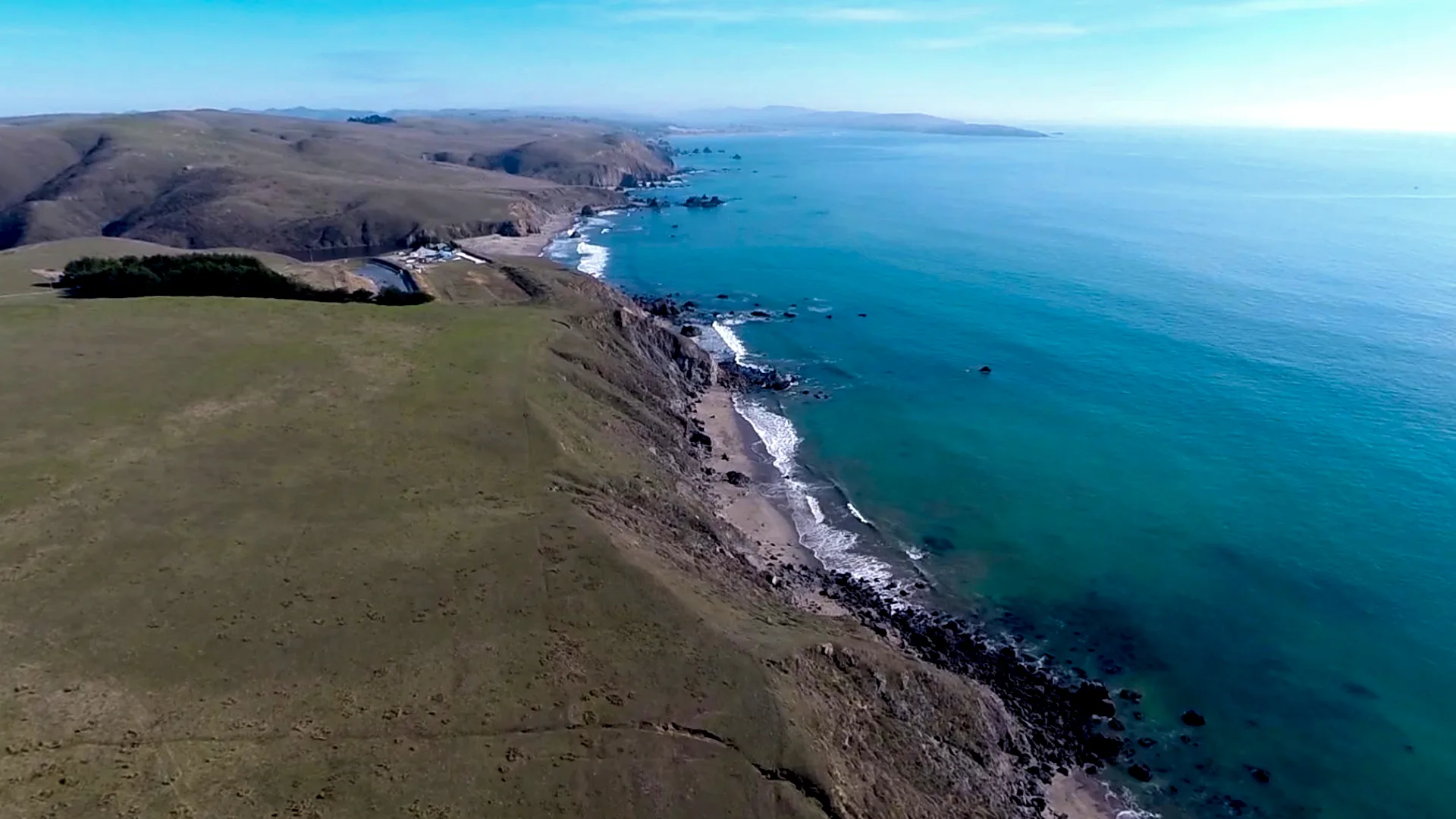
The Coastal Zone adds a layer you don't get inland
If a property is west of the LCP boundary line, any development permit has to clear Sonoma County's coastal planning review in addition to the standard building process. Depending on what you want to do, that can add process, time, and cost. Ask for the Coastal Development Permit history on any parcel you're seriously considering before the first site visit — it tells you what the county has previously allowed and disallowed on that exact parcel.
Questions buyers ask me about Coastal Sonoma
Looking in Coastal Sonoma?
Whether you're reviewing public inventory or trying to understand the next likely coastal ranch opportunity, the conversation starts the same way. Tell me what you're looking for and I'll tell you what I can discuss.
Send Me an Email (707) 769-7100