West Marin Ranches
Tomales, Nicasio, Valley Ford & Dillon Beach
"Conservation easements shape a large share of West Marin ranch diligence. The recorded deed often matters as much as the acreage."
Where working ranch meets permanent protection
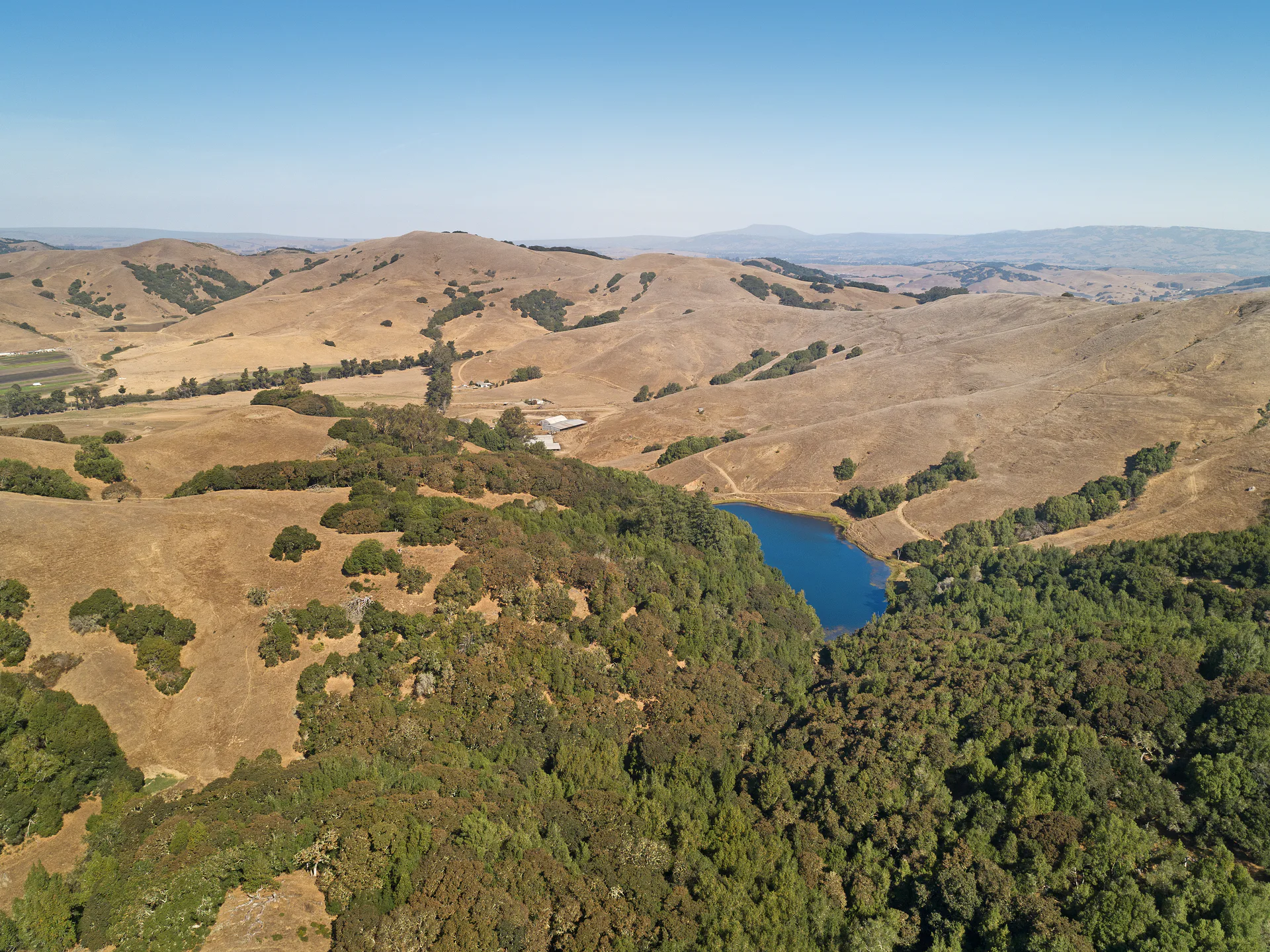
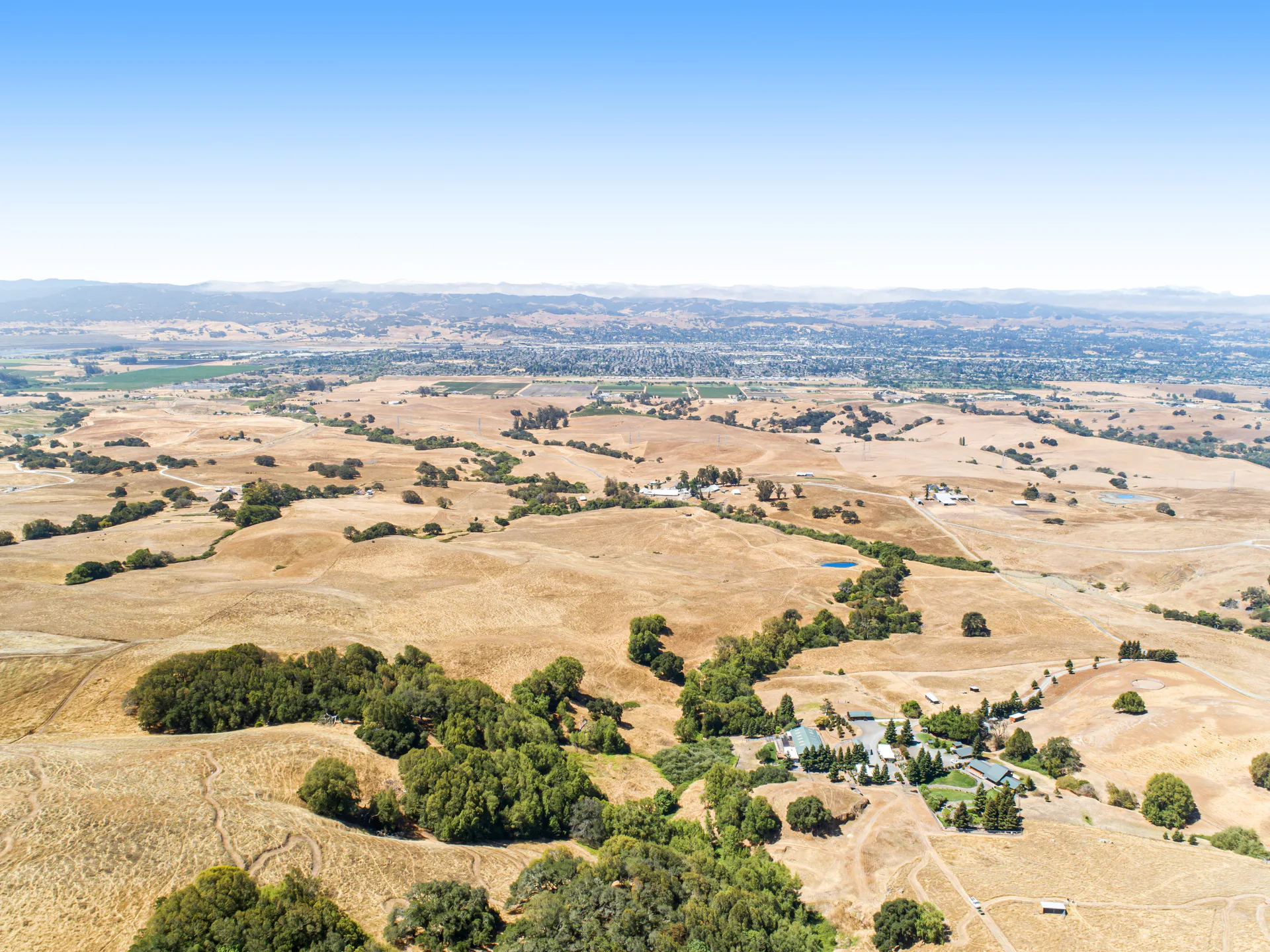
West Marin is the slice of coastal California where the dairy heritage is still working. Tomales Bay, Nicasio Valley, Point Reyes, Olema, and the ridgelines running south from Dillon Beach down to Muir Beach are defined by working agriculture, coastal scenery, and decades of land-use decisions that go back to the 1972 Marin Countywide Plan.
The Marin Agricultural Land Trust (MALT) is one of the defining forces in this market. As of May 2026, MALT reports 98 agricultural conservation easements protecting 58,917 acres in Marin County. That means many West Marin ranch buyers need to read the recorded easement before they rely on acreage, building-envelope assumptions, future-use plans, or resale strategy. What an easement changes is deed-specific: subdivision rights, non-agricultural development, residential envelopes, agricultural operations, approvals, and resale procedures can all vary by document.
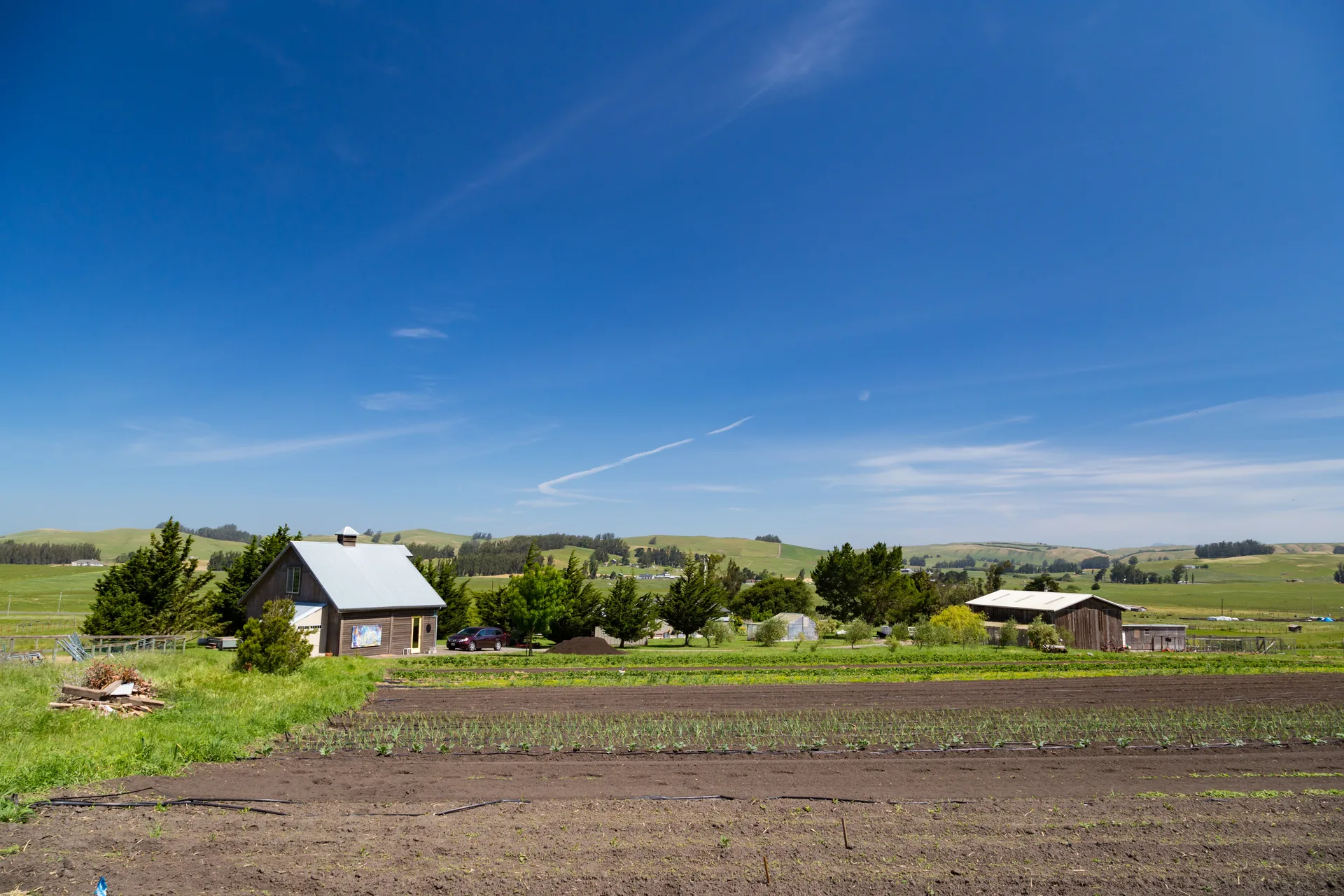
Nicasio, Tomales, Valley Ford, and Dillon Beach each have their own character. Nicasio is high-country ranch — rolling grasslands, reservoir frontage, quieter roads, and a working community that still mostly ranches. Tomales is the bay-proximate corridor with productive dairy land and access to Point Reyes Station. Valley Ford sits on the Sonoma-Marin boundary, more coastal-influenced and functionally part of the West Marin orbit even when a parcel's mailing address says Petaluma. Dillon Beach is where the grasslands meet the Pacific — ocean views, summer fog, and topography that tends to attract buyers who understand coastal ranch land.
If you're evaluating a property here, the threshold question isn't price. It's the deed. Every West Marin ranch has a story written into its recorded easements, its Williamson Act contract, and its building envelope. I've been working ranch transactions in the North Bay for decades. I read those documents before I read the listing sheet.
What you'll find here
Ranches here trade on character and constraint in roughly equal measure. The character is what the photographs capture. The constraint is the regulatory architecture. Marin's Countywide Plan, agricultural zoning, C-APZ coastal zoning, the Local Coastal Program, septic capacity, and recorded easements can all limit density, siting, and future structures. A ranch that looks large on paper may still have a very narrow building envelope, and that envelope may already be occupied.
The buyer pool splits cleanly. On one side are working ranchers: multi-generation dairy families, cattle operators expanding their grazing base, and a small but steady stream of new-entrant farmers. On the other side are what easement language calls 'non-ag buyers' — usually principals of Bay Area businesses, sometimes family trusts, buying a working ranch for the land itself. The two groups often bid on the same property. Which one wins depends on the easement's Mandatory Agricultural Use provisions, the buyer's financing, and whether the seller has a preference for keeping the ranch in active operation.
Water is one of the variables that can rule a transaction. West Marin has springs, seasonal creeks, and meaningful winter rain, but many ranch properties are not on municipal water. Buyers need to know where the water comes from, what the late-season production history looks like, and whether surface-water claims or well records can be documented. Documented water history is worth more than the listing photos.
West Marin by town
These are quick orientation notes, not separate inventory pages. Each town can behave differently in diligence, but the broader West Marin market context above is the right starting point.
Ranches I've represented in West Marin
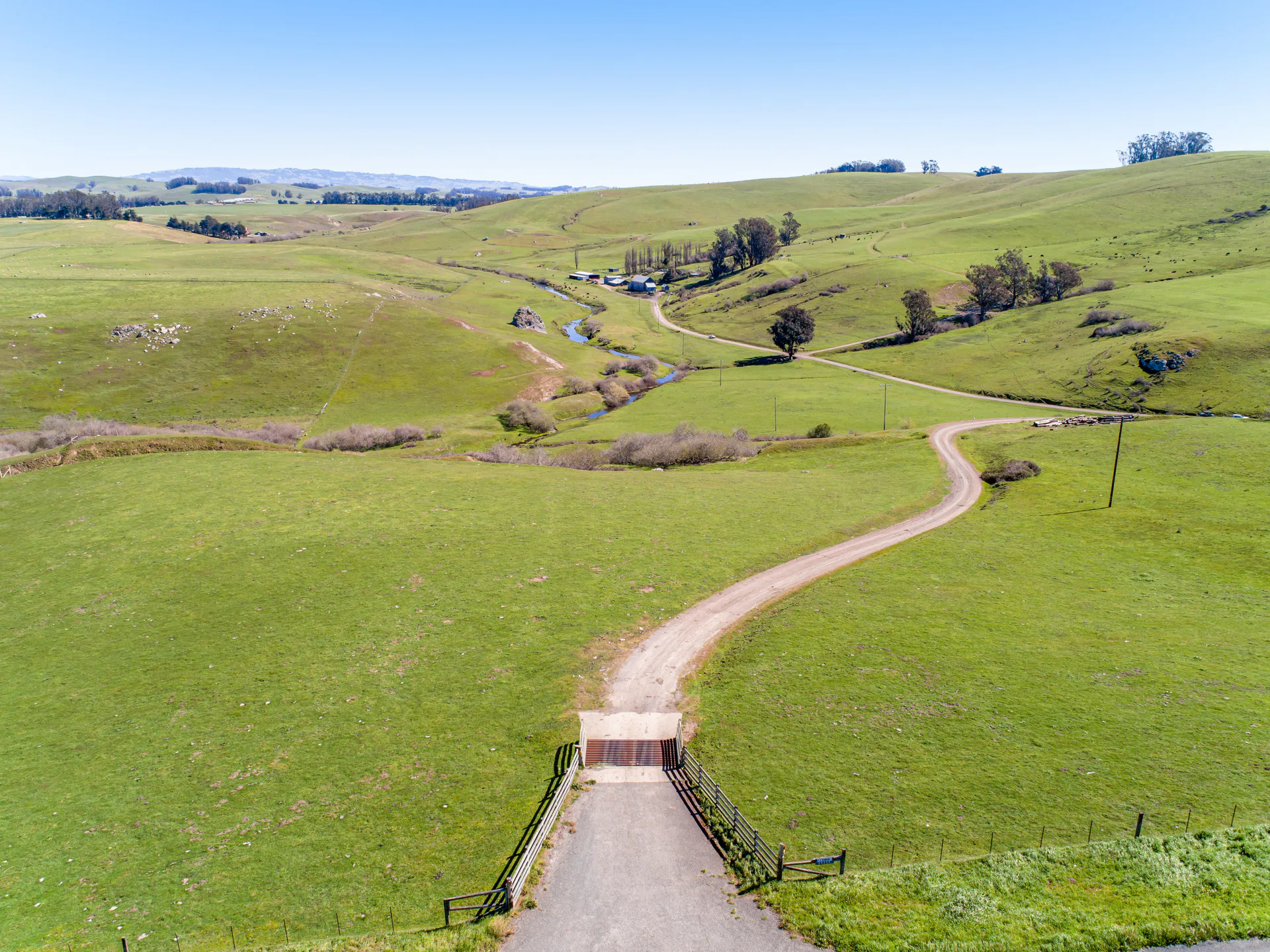
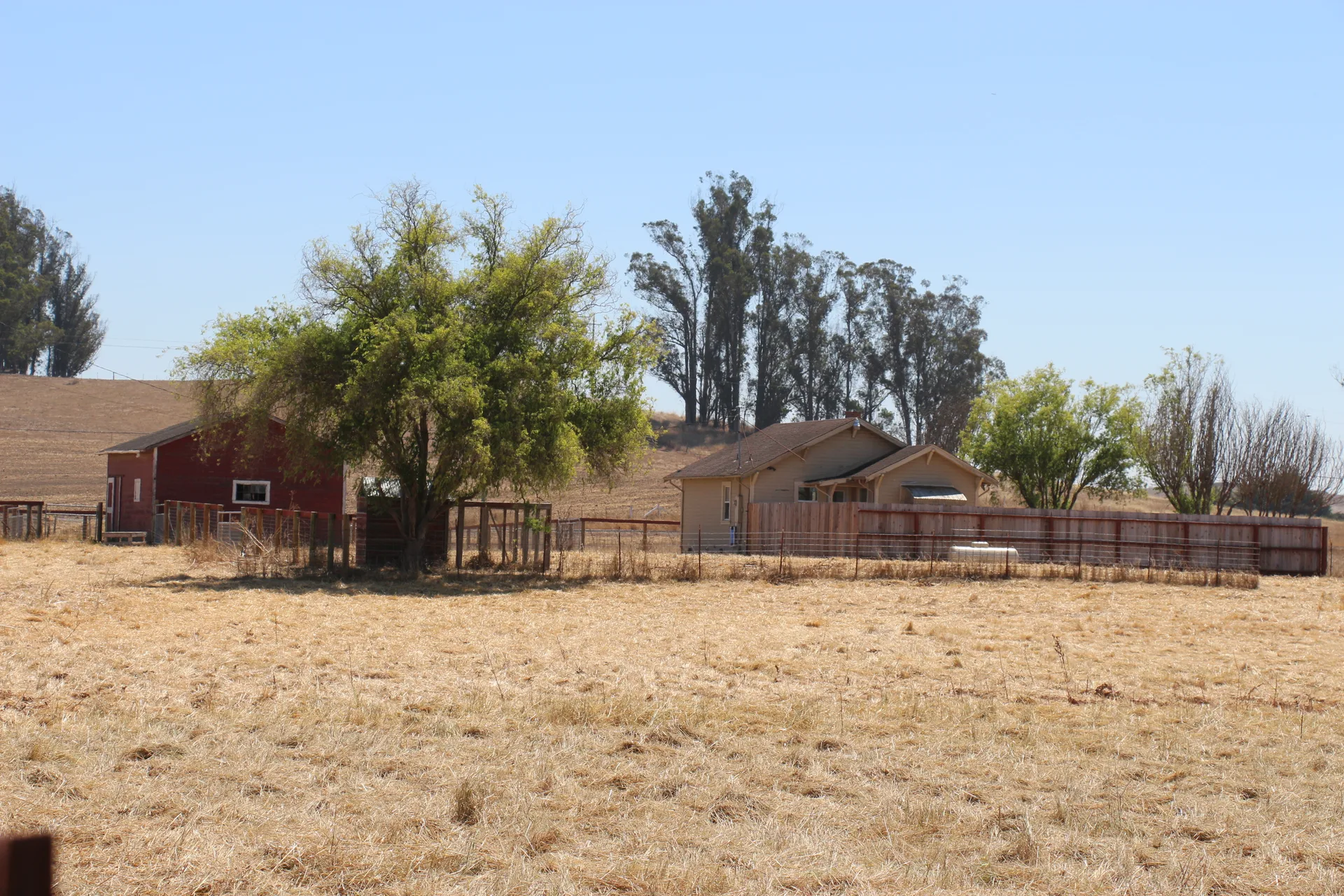
Every card below is a past ranch transaction. Click through for property-level detail — acreage, photos, and the story behind the transaction.

Start with the guide, then dig deeper
Three recorded instruments govern nearly every transaction in this market: the Williamson Act contract, the conservation easement deed if one is recorded, and the Coastal Zone building permit history if the property is west of Highway 1. I've written primers on the first two; read them before you offer, not after you're in escrow.
Questions buyers ask me about West Marin
Looking in West Marin?
Whether you're reviewing public inventory or trying to understand this market, the conversation starts the same way. Tell me what you're looking for and I'll tell you what I can discuss.
Send Me an Email (707) 769-7100