Sonoma Mountain Ranches
Penngrove, Glen Ellen & the Petaluma-Sonoma ridgeline
"The ranches on the Sonoma Mountain slopes don't behave like dairy country. Elevation changes the water, the soils, and the buyer pool."
A ridgeline market adjacent to Karl's core territory
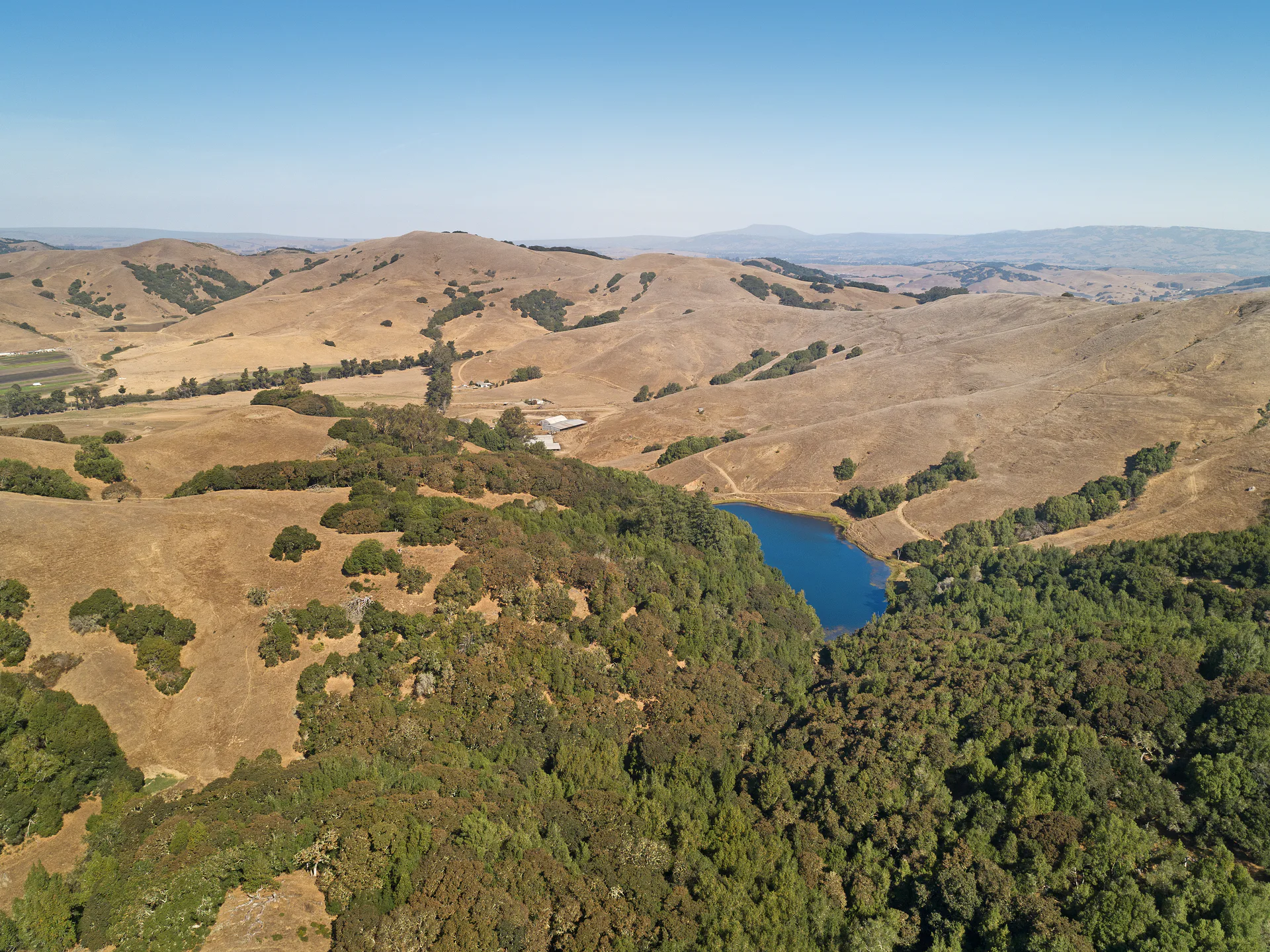
Sonoma Mountain is the ridgeline that separates the Petaluma Valley from the Sonoma Valley. It's a different market from the dairy belt to the west: higher elevation, different soils, different access questions, and adjacency to Sonoma Valley wine-country demand on some eastside parcels. Penngrove and the westside foothills carry a mix of rural residential and agricultural zoning. Glen Ellen on the eastside has its own wine-country and estate-property dynamics.
Many properties on the mountain are smaller and more topographically complex than the open grasslands of Two Rock, while some larger holdings still support active cattle operations. The terrain is more forested: coast live oak woodland, Douglas fir, and shaded draws. Water patterns are different. Wells, hillside springs, storage, and late-season production all need property-specific documentation before a buyer relies on them.
The buyer profile differs from Petaluma dairy country. There are working-ranch buyers, rural-estate buyers, and buyers focused on views, privacy, or vineyard feasibility. That doesn't make the land easier to transact. Sonoma Mountain zoning can be layered with scenic corridor protection ordinances, ridgeline protection in certain designated areas, and on the westside slopes, the Sonoma Mountain Preservation Area (SMPA), which can add review for development proposals. Buyers should understand these overlays before they write an offer.
This is an adjacent market to my core territory rather than the heart of it. But I've brokered enough properties here — including Sartori Ranch at 530± acres on the western slopes — to know the corridor, the players, and the parcels where elevation, water, access, and zoning line up to produce the right property.
What you'll find here
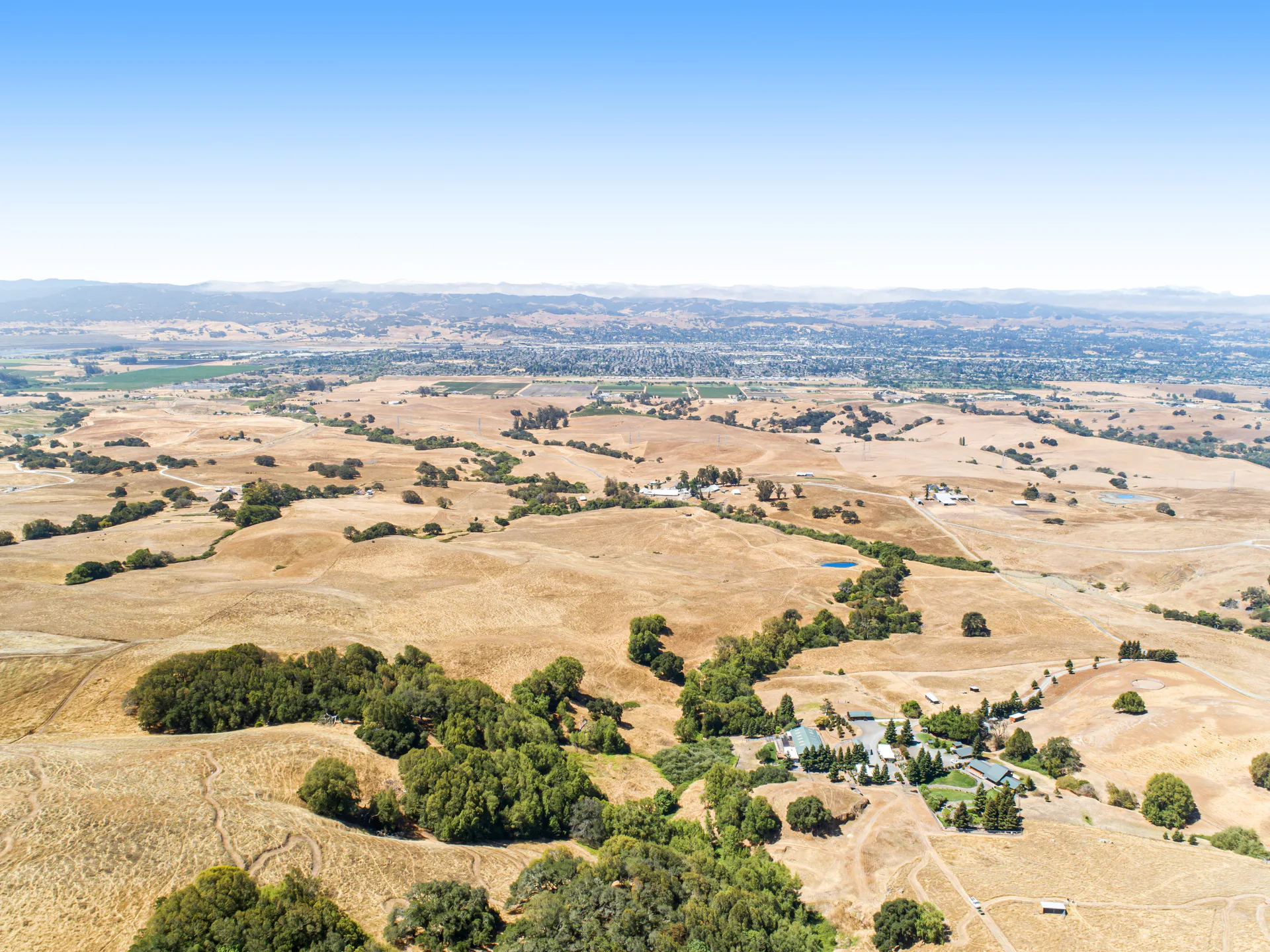
Western-slope cattle ranches from the Petaluma Hill Road corridor running north to the Adobe Road extension. These tend to be legacy holdings with long family tenure, and they may draw both neighboring ranchers and rural-estate buyers. Value depends on usable acreage, residence quality, water, access, views, and regulatory overlays.
Penngrove-area parcels with existing residences. This corridor can behave more like rural residential or estate property than pure ranch land, with value influenced by residential finish, commute patterns, access, privacy, and the underlying agricultural utility.
Eastside slope properties in the Kenwood-Glen Ellen corridor. These may overlap with the Sonoma Valley wine-country market, where vineyard feasibility, AVA context, residence quality, and Highway 12 proximity can matter. The same acreage can be interpreted differently on opposite sides of the ridge because the buyer use case is different.
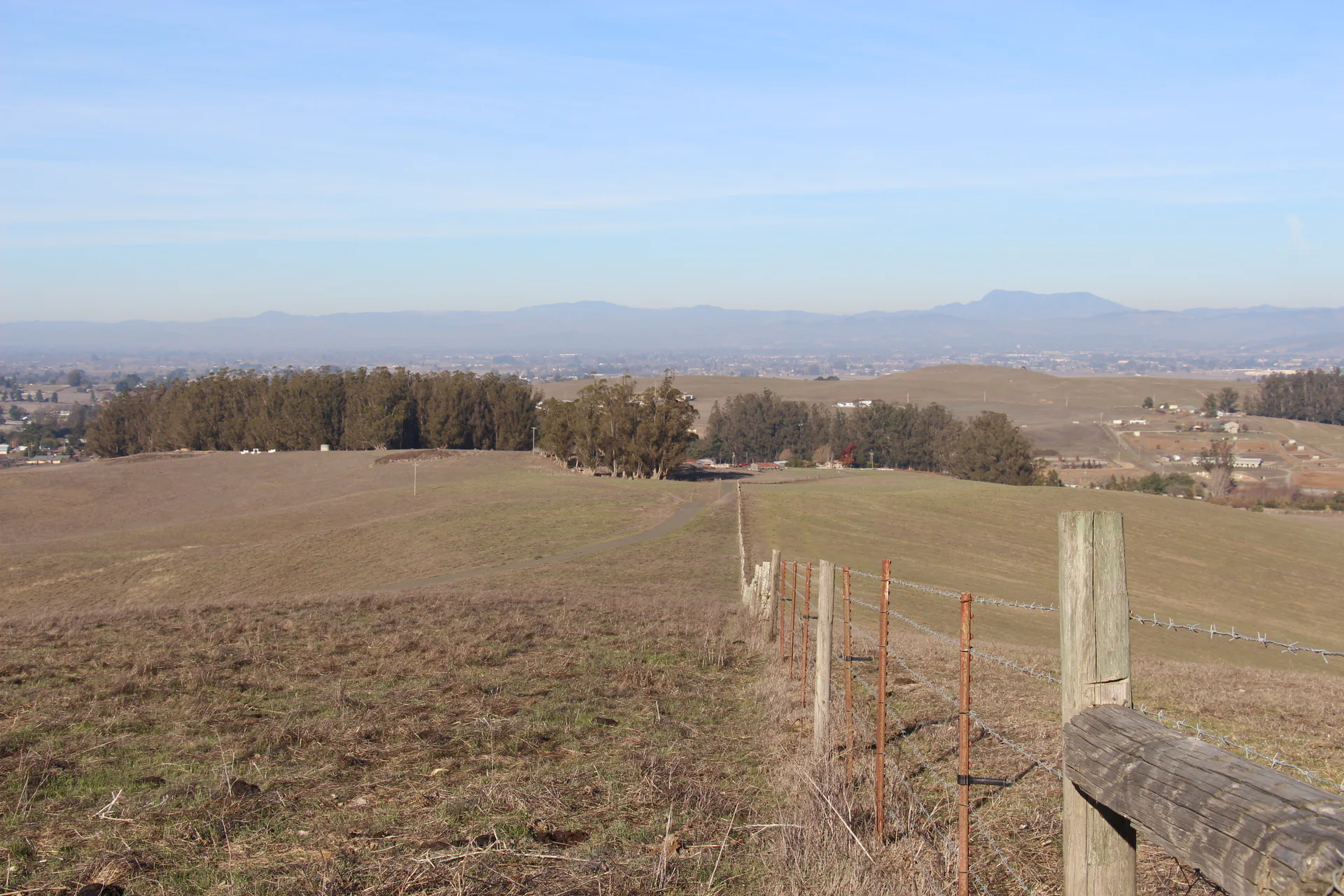
Ridgeline parcels with broad views may be subject to scenic corridor and ridgeline protection ordinances. The county ordinances exist to protect viewsheds, which means building approvals for visible structures can require discretionary review. A beautiful building site at the top of the property still needs county confirmation.
Ranches I've represented in Sonoma Mountain
Every card below is a past ranch transaction. Click through for property-level detail — acreage, photos, and the story behind the transaction.
Scenic and ridgeline overlays that surprise buyers
Beyond the standard Williamson Act and zoning review, the Sonoma Mountain corridor carries a layer of scenic corridor and ridgeline protection ordinances most inland-valley ranches don't have to contend with. On the westside, properties within the Sonoma Mountain Preservation Area face additional grading, tree-removal, and structure-siting constraints. Before you make an offer on a view parcel, pull the county's planning overlays for the exact assessor's parcel number. The overlay map is public and it answers most of the hard questions faster than any site visit.
Questions buyers ask me about Sonoma Mountain
Looking in Sonoma Mountain?
Whether you're reviewing public inventory or trying to understand this market, the conversation starts the same way. Tell me what you're looking for and I'll tell you what I can discuss.
Send Me an Email (707) 769-7100