Selling a ranch is not like selling a house.
Ranch value turns on water, land use, access, improvements, easements, and records. Karl Bundesen has spent four decades helping North Bay owners prepare, position, and sell properties where those details matter.
A confidential first conversation.
Three things that make a ranch sale its own discipline
The buyer pool is specialized — and specific
A ranch doesn't sell to the general market. It sells to a handful of qualified buyers looking for that ground: graziers, dairy families, conservation buyers, estate buyers. Knowing who they are, and what they will pay for, is most of the work. Forty years of North Bay transactions means Karl usually knows the likely buyer pool before the ranch goes to market.
Value turns on the details
Water sources and reliability, Williamson Act status, conservation easements, grazing capacity, leases, access, improvements. Comparable sales are few, and automated estimates cannot account for the parcel-specific factors that drive ranch value. Real valuation starts with walking the property and reading its records.
Preparation shapes the outcome
Buyer diligence on a ranch is heavy. Sellers who assemble title, water, septic, easement, lease, and permit records before going public keep transactions moving on facts — and keep negotiating leverage. Karl works through preparation with you before anything is marketed.
From first walk to closing
- Walk the ranch, read the records. Value and strategy start on the ground: water, fences, improvements, leases, contracts, and the property's story.
- Value and timing. An honest opinion of value and a conversation about whether now is the right time — including when the answer is to wait.
- Preparation. Records assembled, questions answered before buyers ask them, and the property described accurately from day one.
- Marketing — public or private. Some ranches go to market with full reach; some sell more quietly, where MLS rules and documented seller instruction allow. Here is the marketing work in the order it happens.
- Negotiation through closing. Ranch escrows are long and detailed. Karl stays on every detail — diligence, contingencies, and the complications that surface late — until the sale records.
Listed and sold across the North Bay
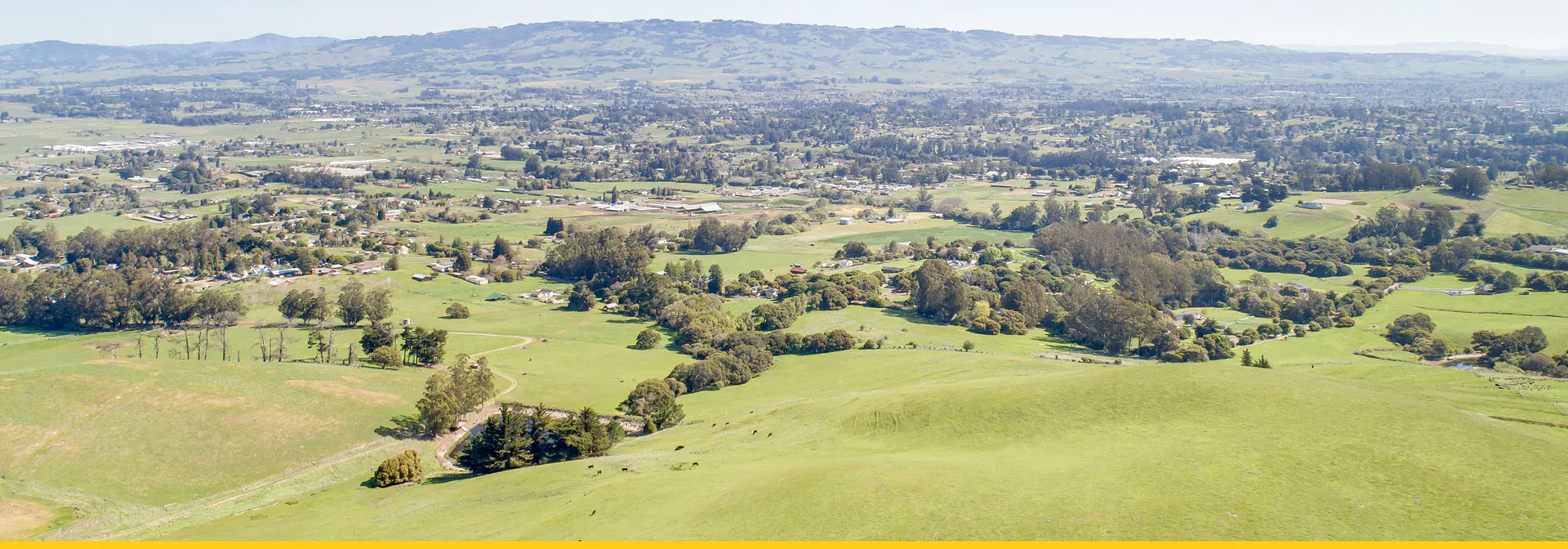
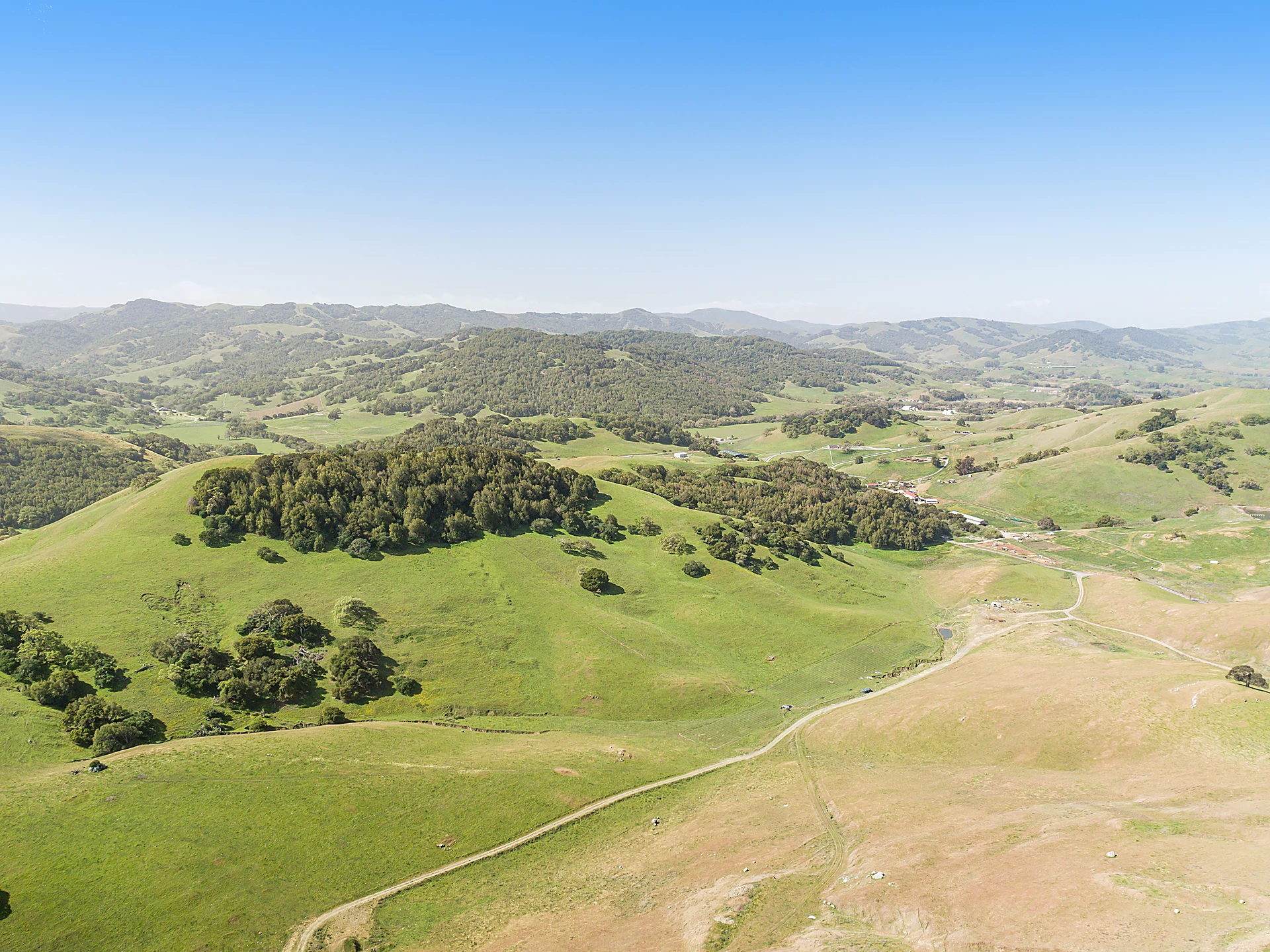
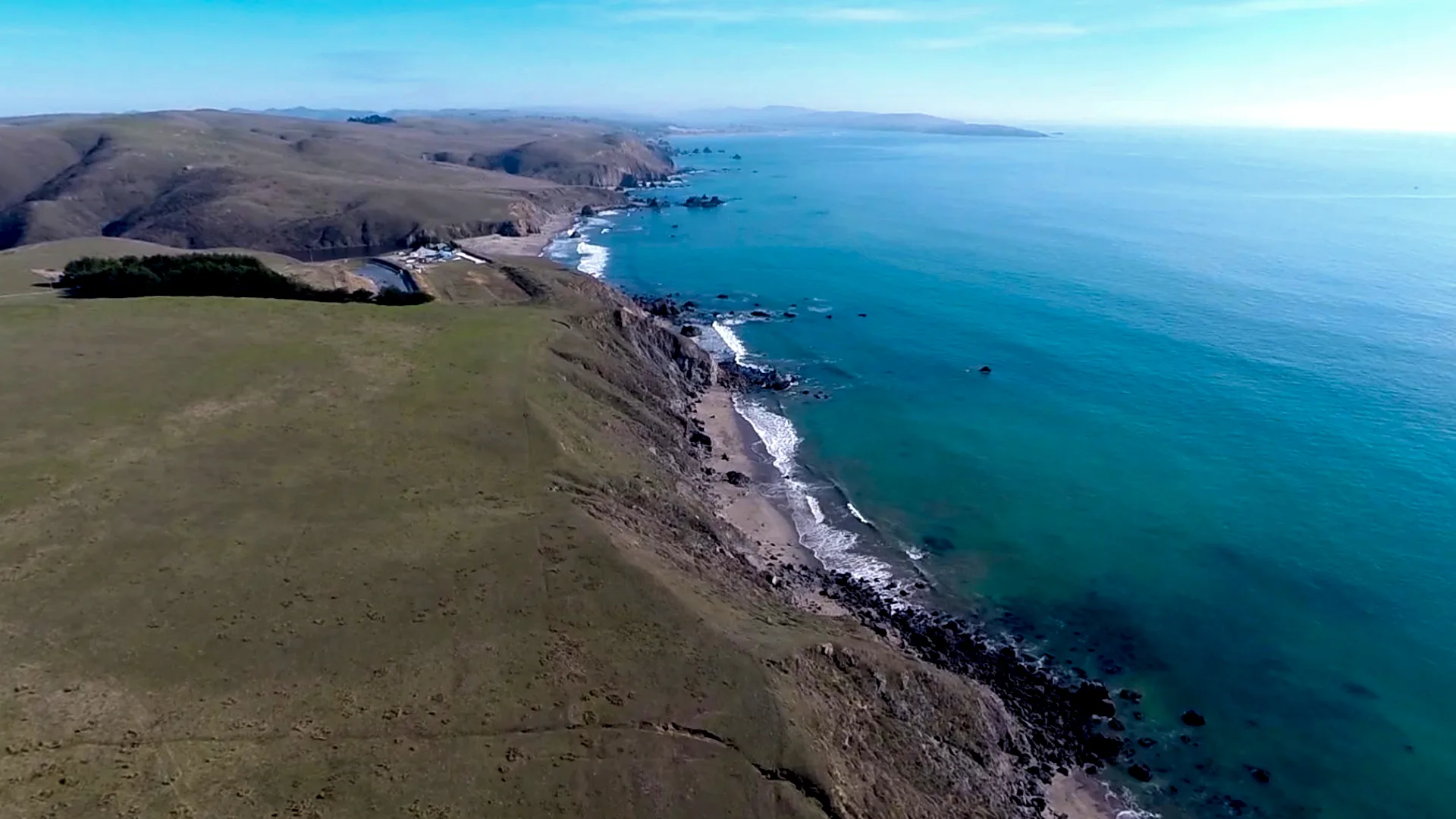
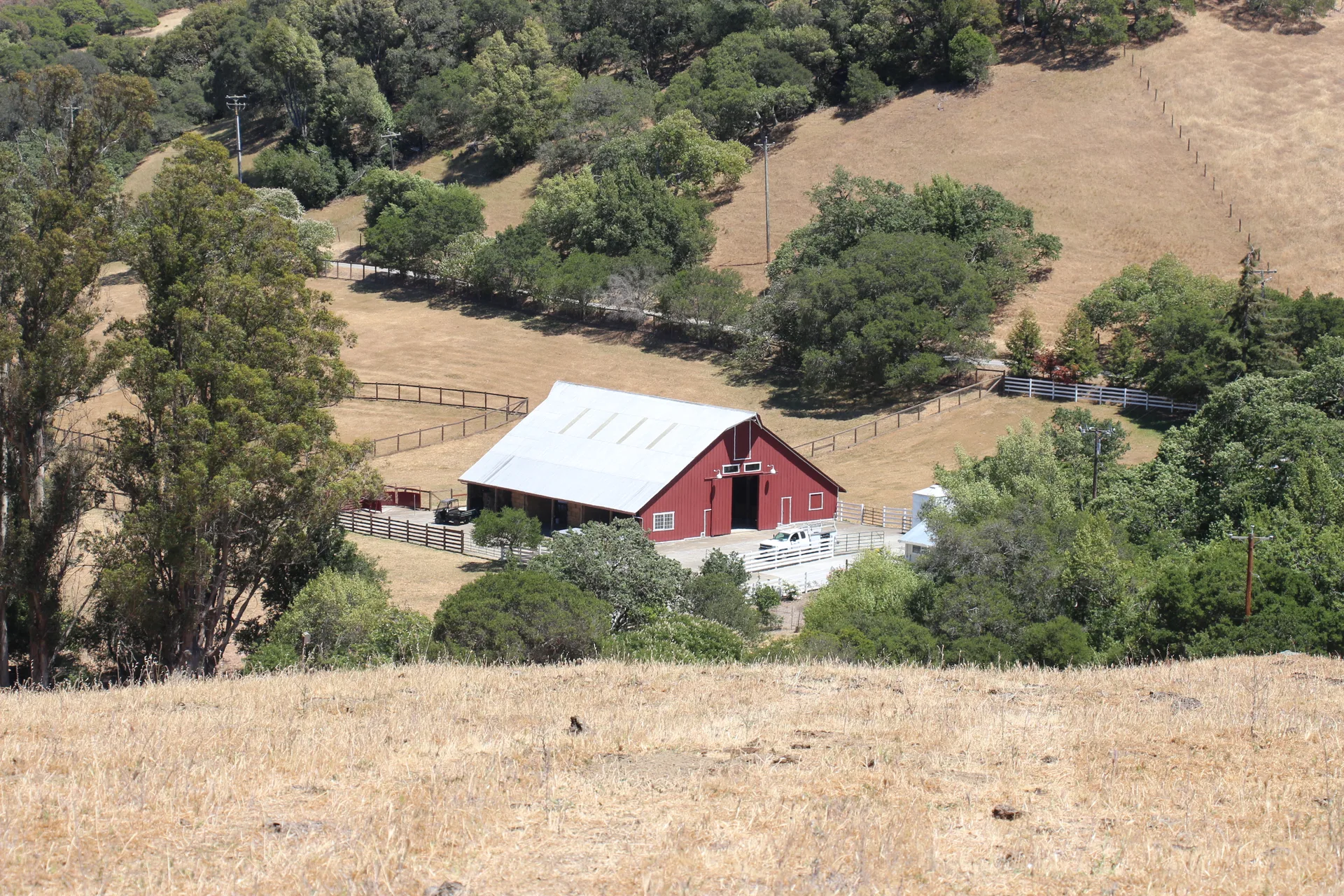
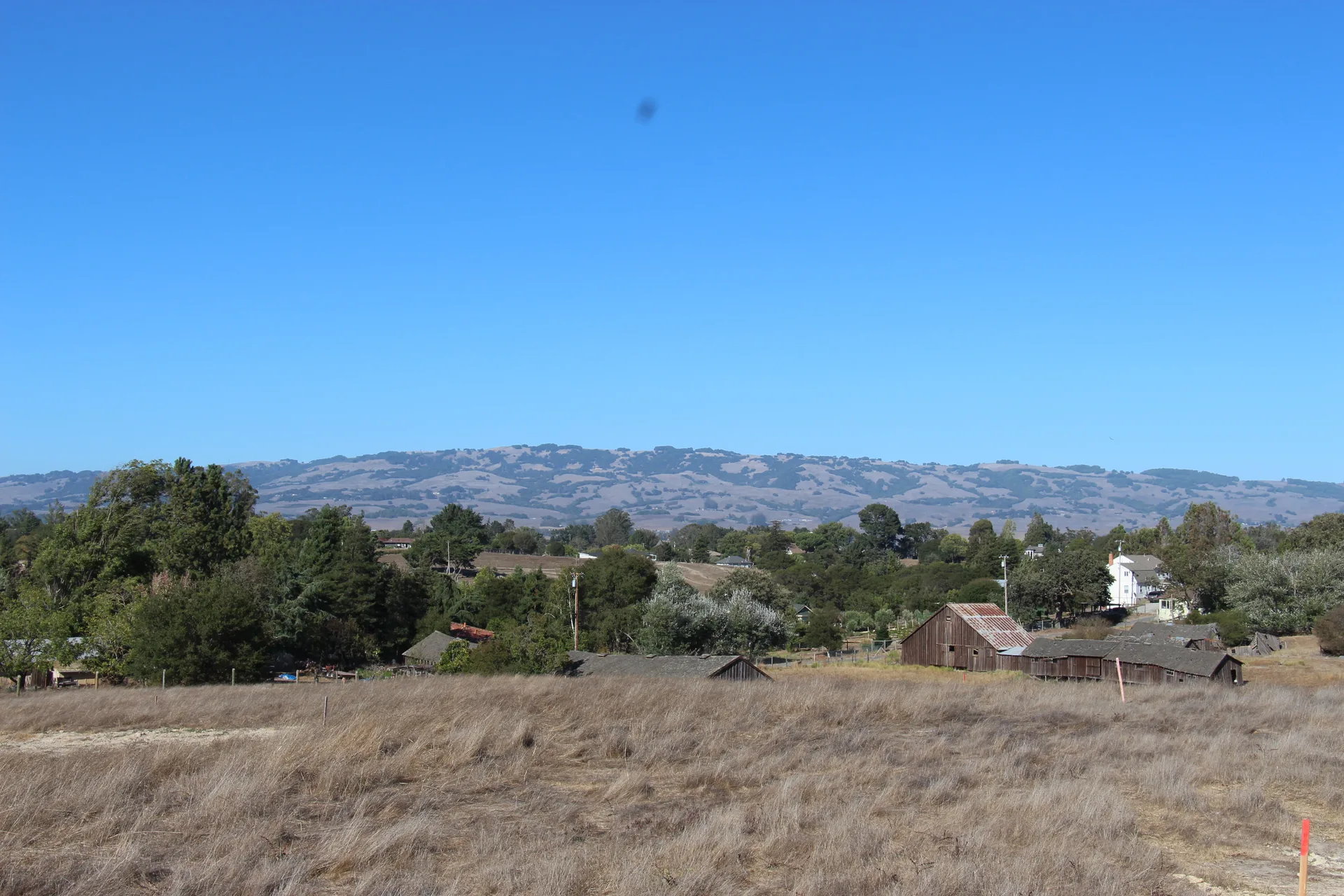
A selection of ranches Karl listed and sold. The full archive is on the Past Sales page.

From ranch families Karl has represented
“Selling our property came during a particularly challenging time in the market, but Karl guided us through every step with professionalism, compassion, and unwavering support.”
“Karl has been a great help in selling this property. He is very pleasant, patient, resourceful, professional, expert in his field and very prompt.”
What ranch sellers ask first
- What is my ranch worth?
- Ranch value here turns on water, Williamson Act status, easements, grazing capacity, improvements, access, and the depth of the buyer pool for your kind of property. Comparable sales are few, and automated estimates cannot account for the parcel-specific factors that drive ranch value — real valuation starts with a walk and the records. Karl provides an opinion of value drawn from four decades of North Bay transactions.
- Should I sell off-market or list publicly?
- Both paths can work. A quieter, seller-directed sale offers privacy when the right buyer is known; public marketing typically reaches a deeper pool. How and when a property can be marketed off-MLS is governed by MLS rules (including Clear Cooperation), your local association’s policies, and documented seller instruction. Karl has closed ranch sales both ways and can walk you through the compliant options and the trade-offs for your situation.
- What should I prepare before selling?
- Title and parcel records, water and well documentation, septic, easements, Williamson Act contracts, leases, permits, access, insurance history. The Ranch Seller's Guide covers the full list.
- Does the Williamson Act affect my sale?
- The contract transfers with the land, so it is central to pricing and presentation. It does not prevent a sale, but it can shape permitted uses, buyer demand, and value. See the Williamson Act guide; legal and tax questions go to the appropriate professionals.
- How long will it take?
- Often longer than a typical home sale. The buyer pool is specialized and diligence is heavier. Preparation is the biggest factor a seller controls, and timing is one of the first things Karl will discuss with you.
Start with a direct conversation
Value, preparation, timing, and the likely buyer pool for your ranch — discussed directly with Karl, in confidence, with no obligation. If the right answer is to wait, he will tell you that too.
Prefer to talk? (707) 769-7100