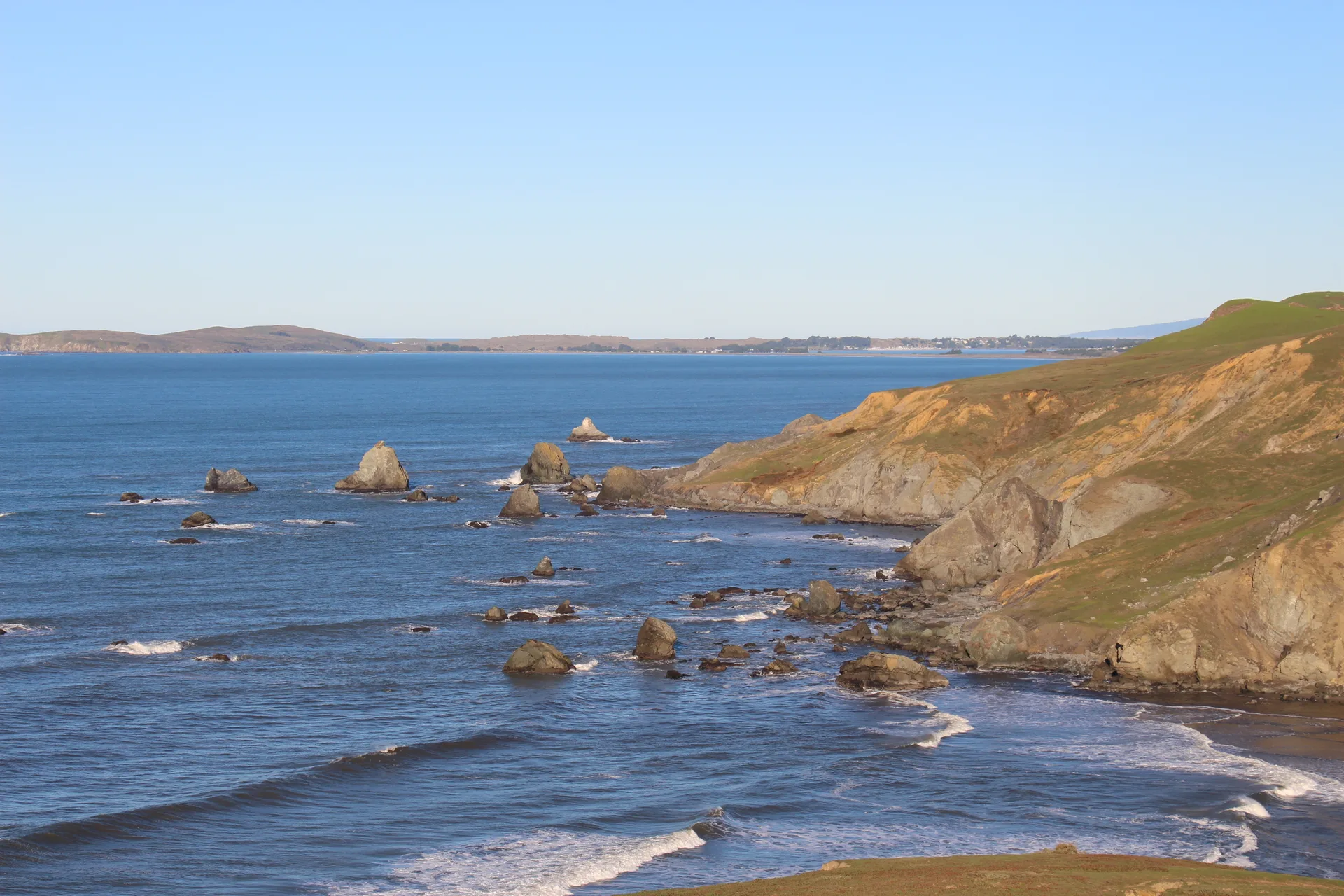
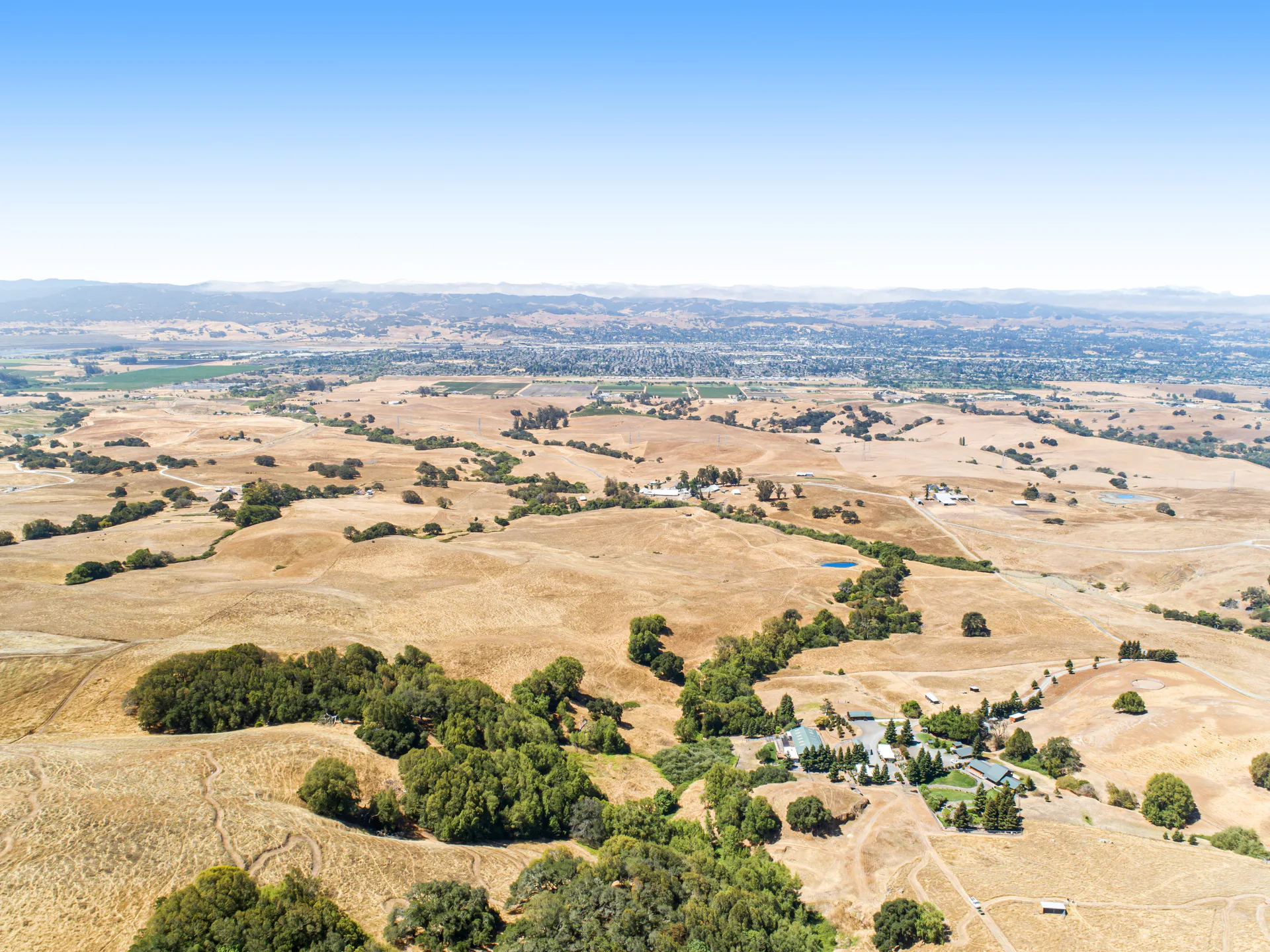
Petaluma & Two Rock Ranches
The working core of Sonoma County ranch country
"This is where my family settled, where I grew up in 4-H, and where much of my ranch work has centered. It's also where much of Sonoma County's ranch inventory is."
A deep ranch corridor in the North Bay
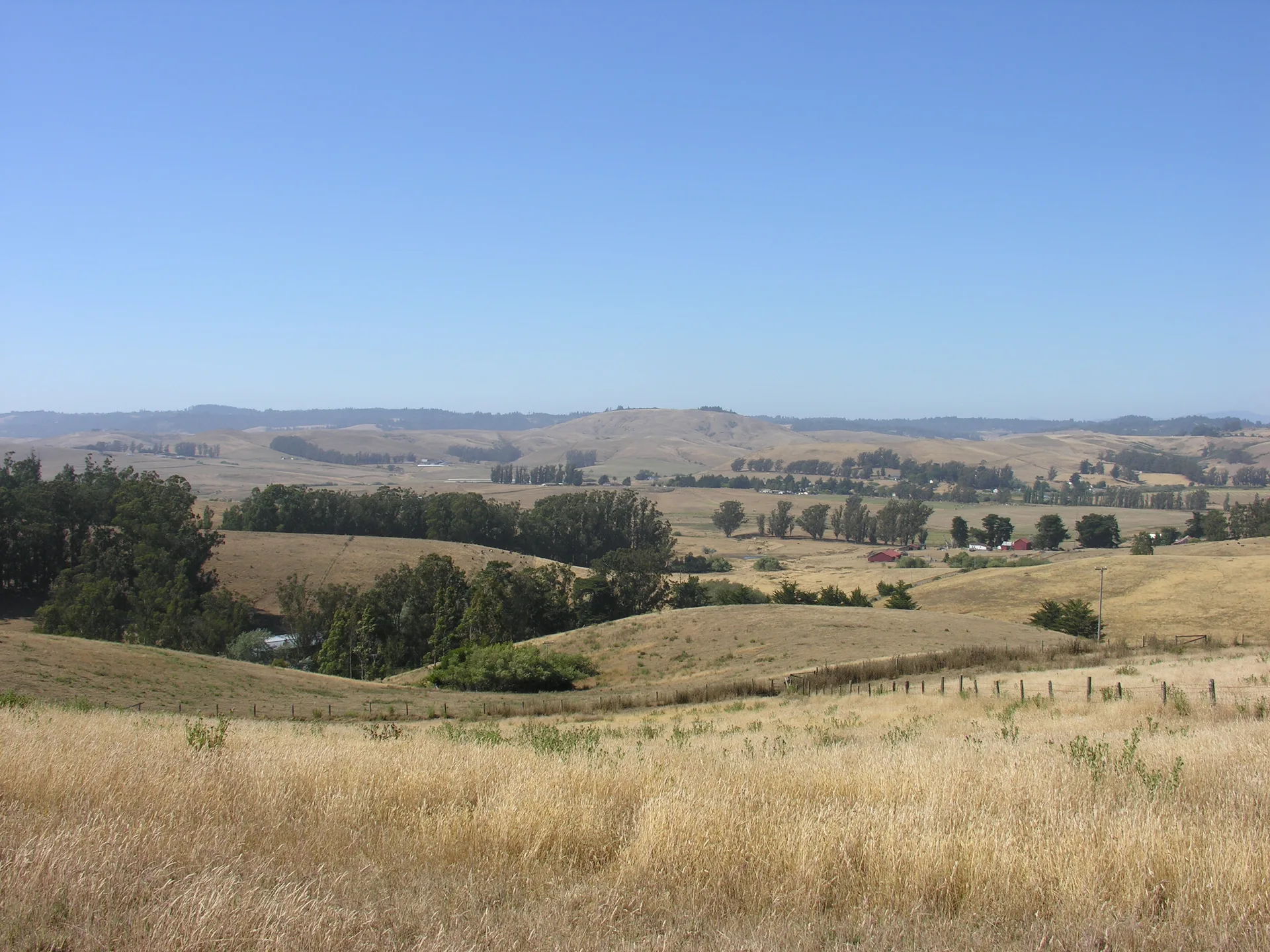
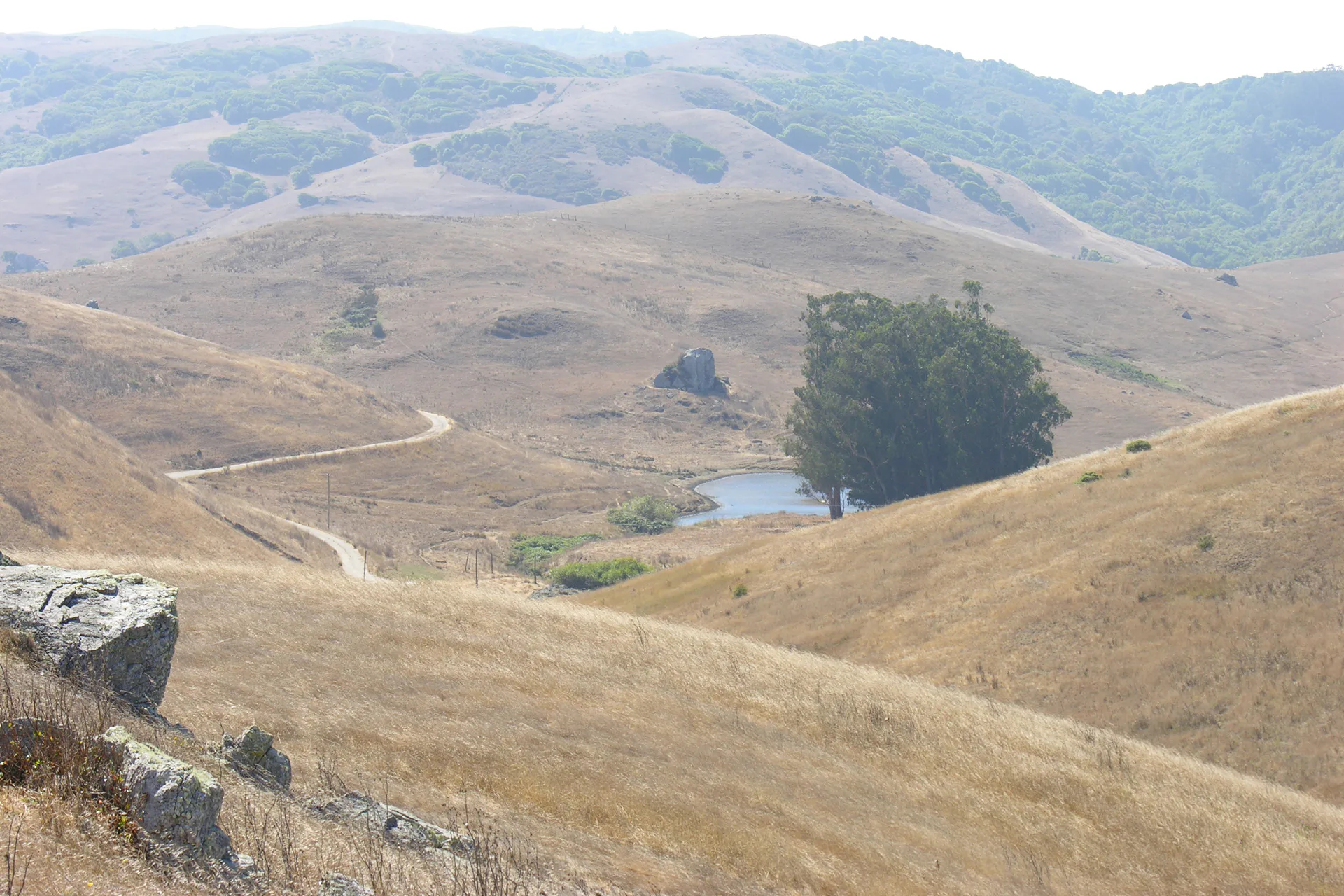
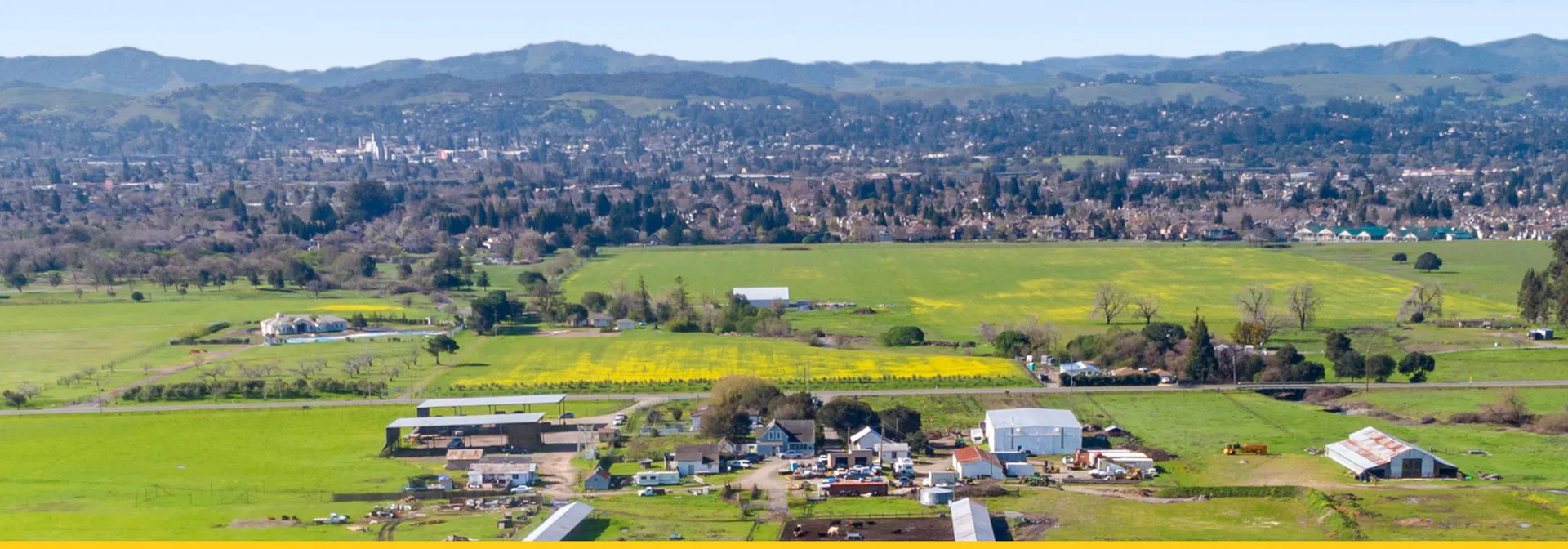
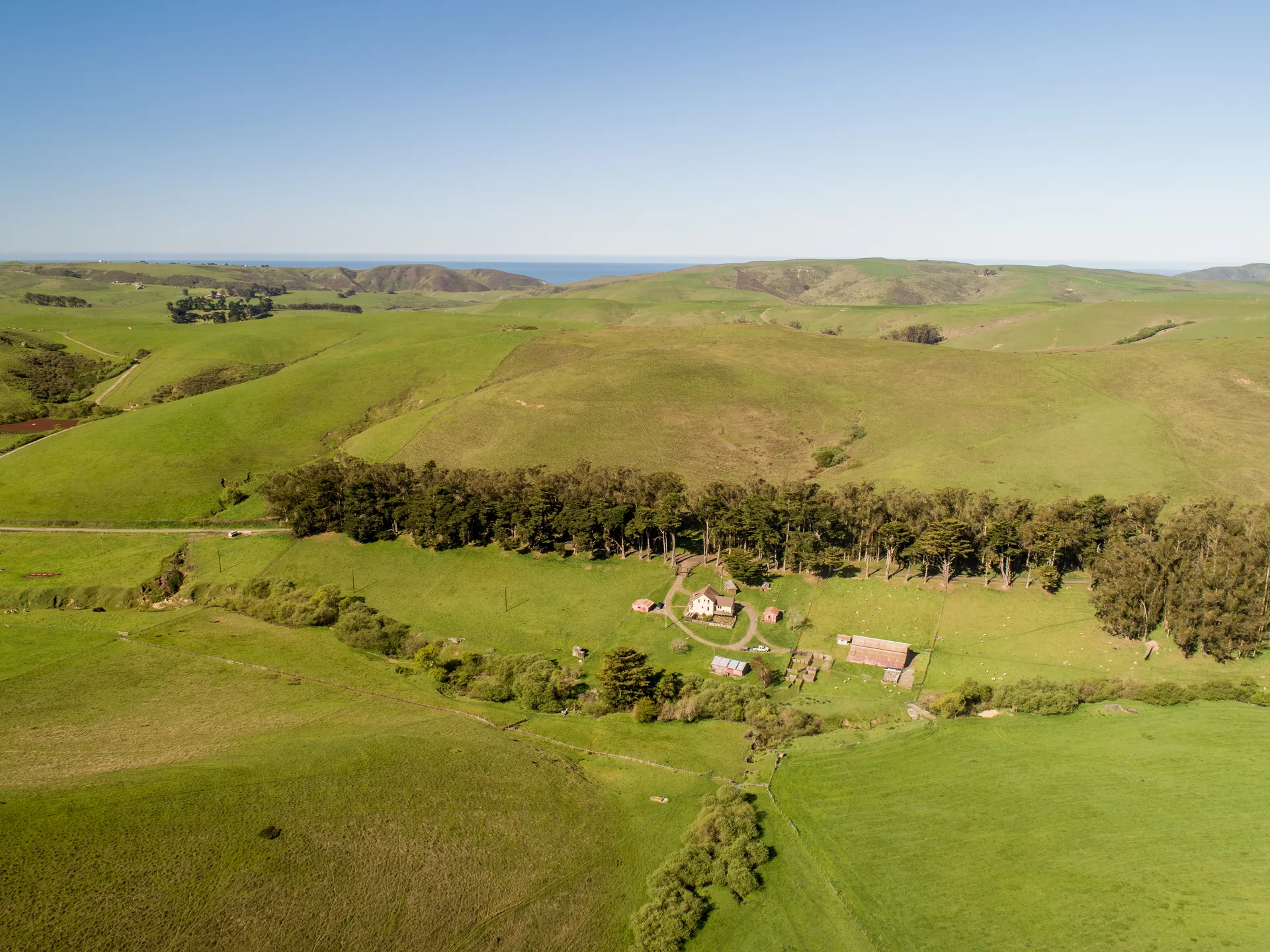
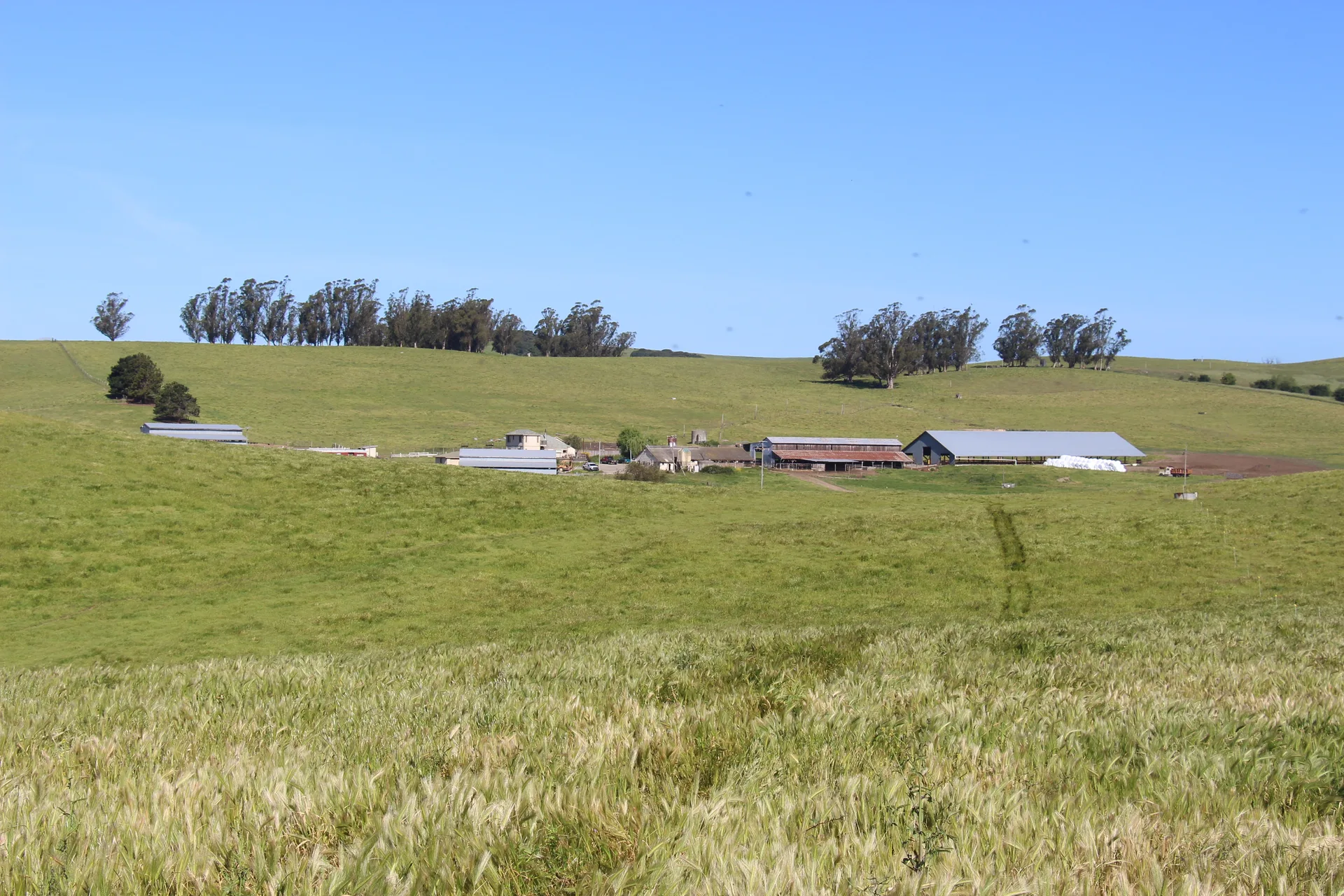
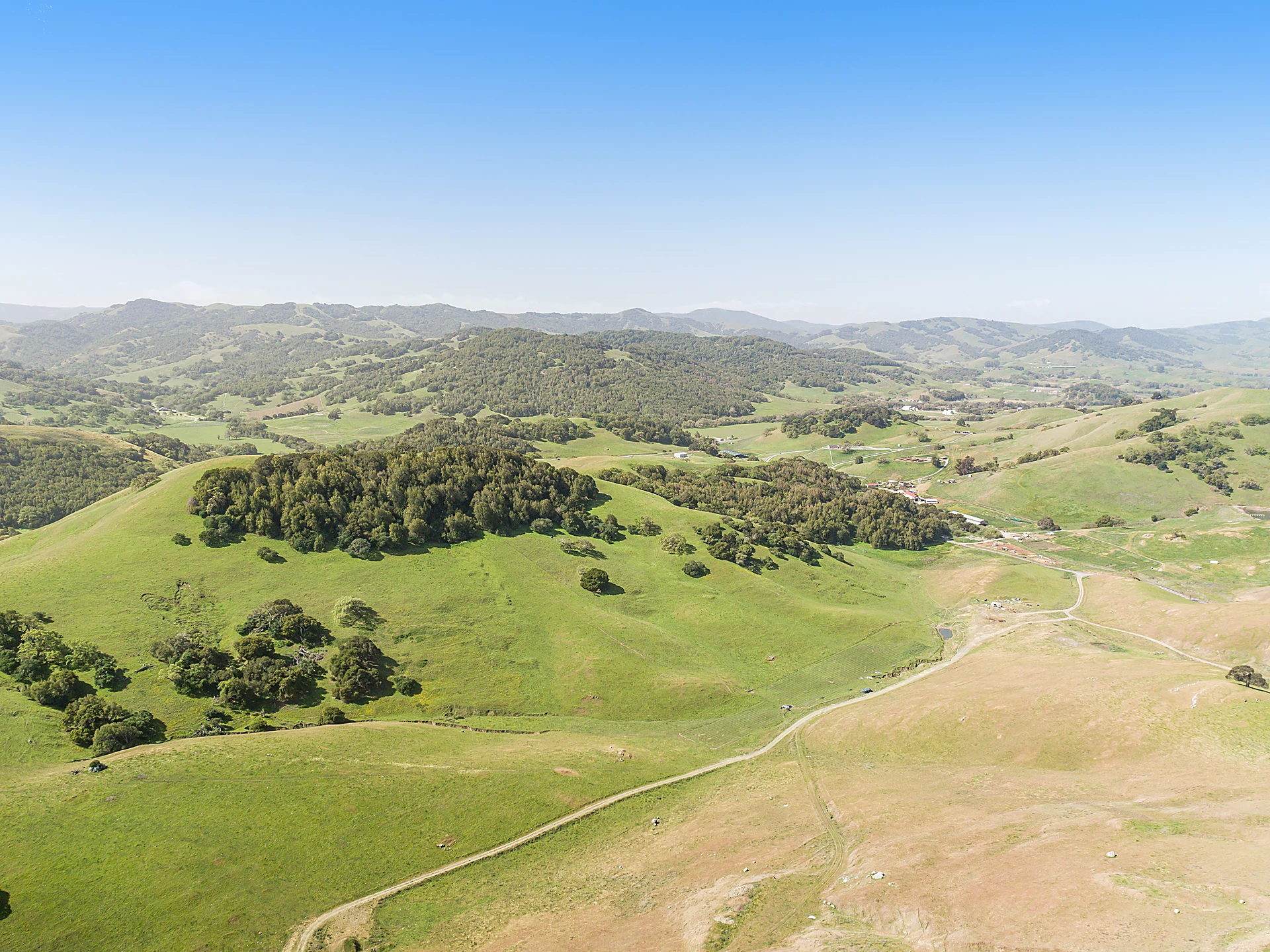
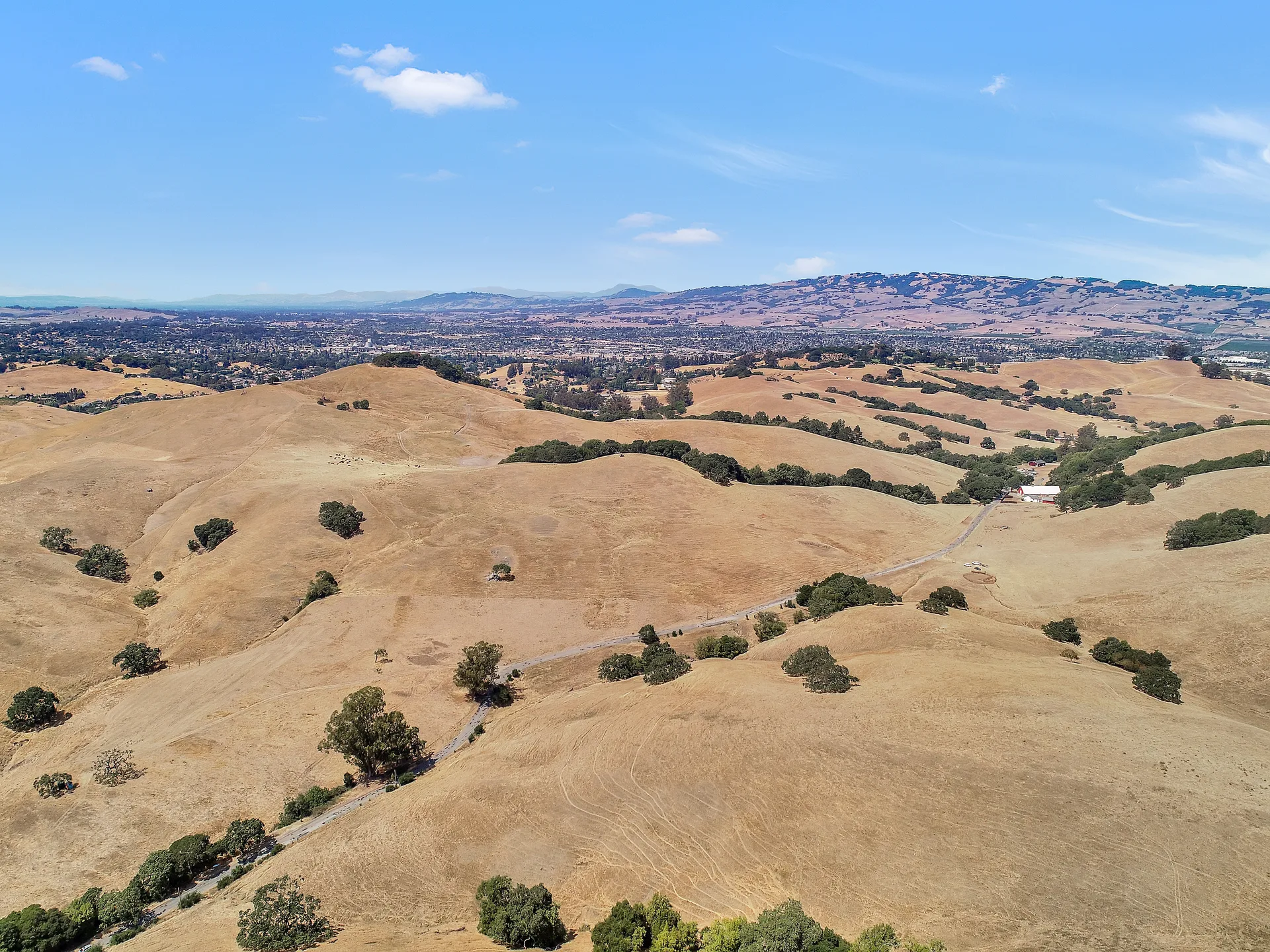
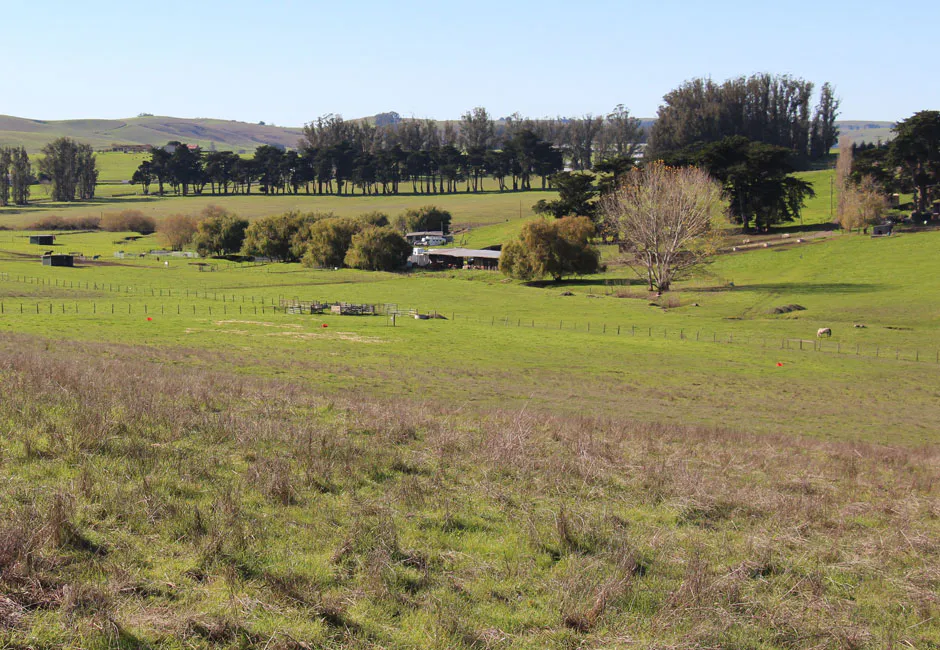
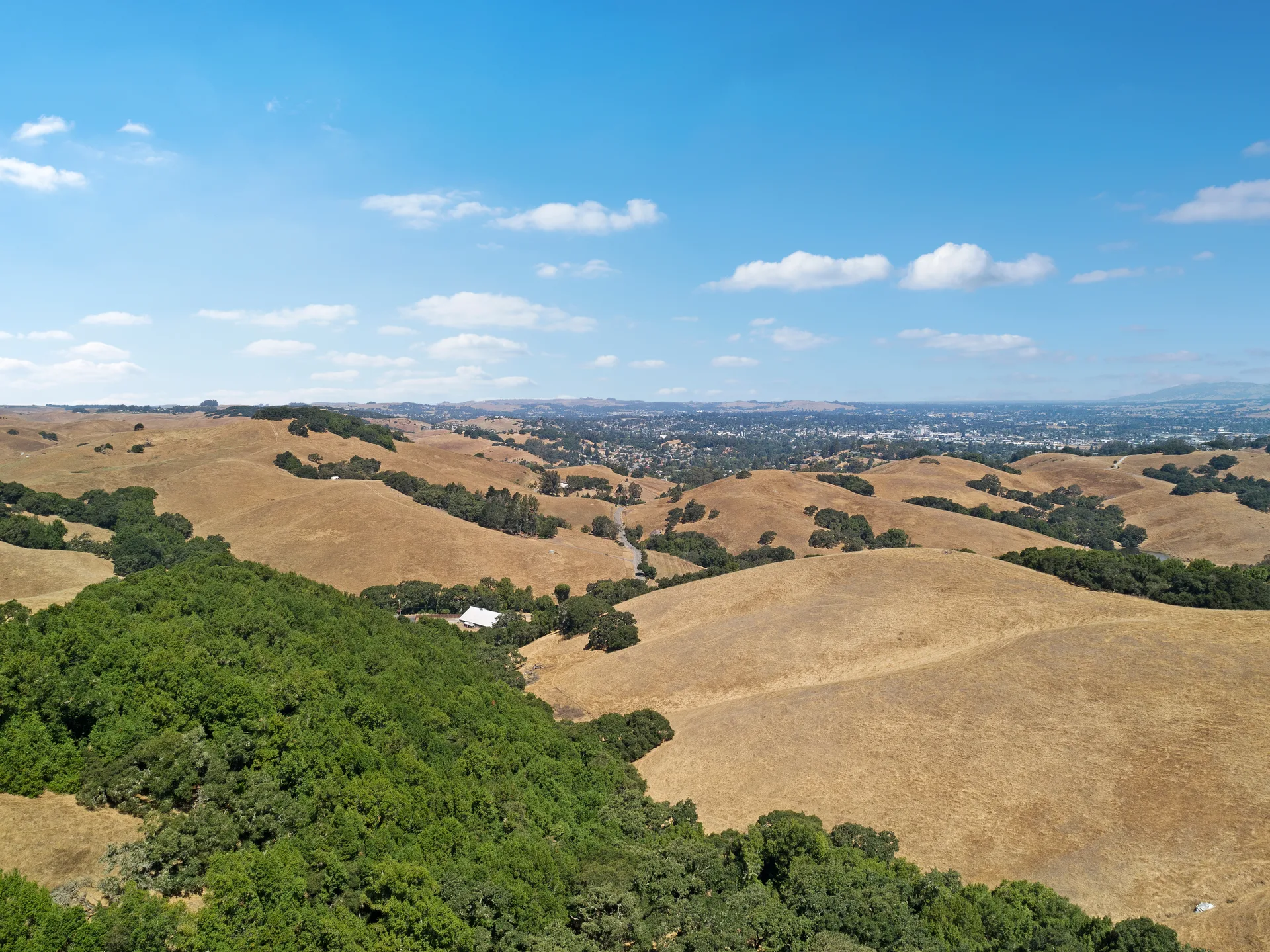
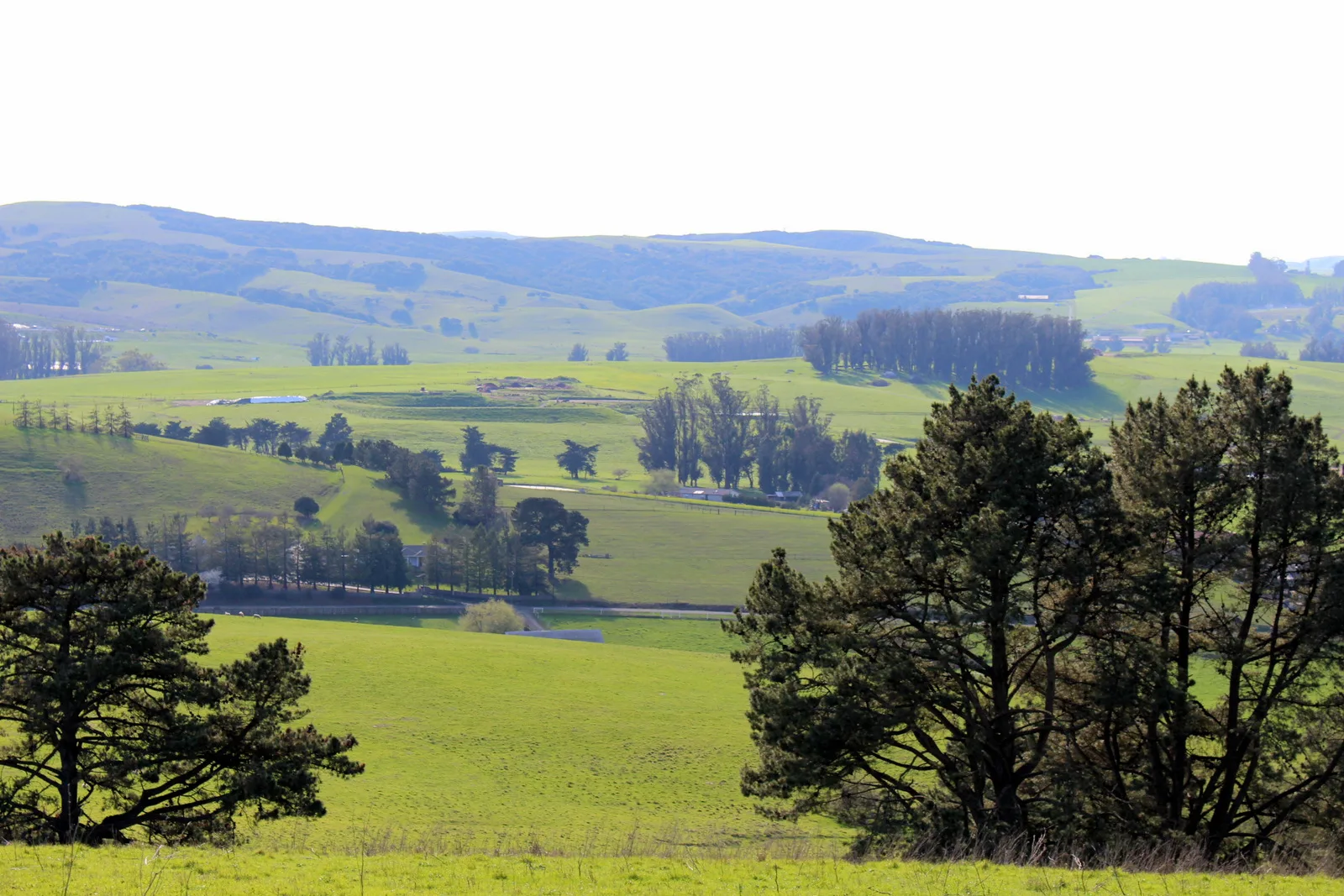
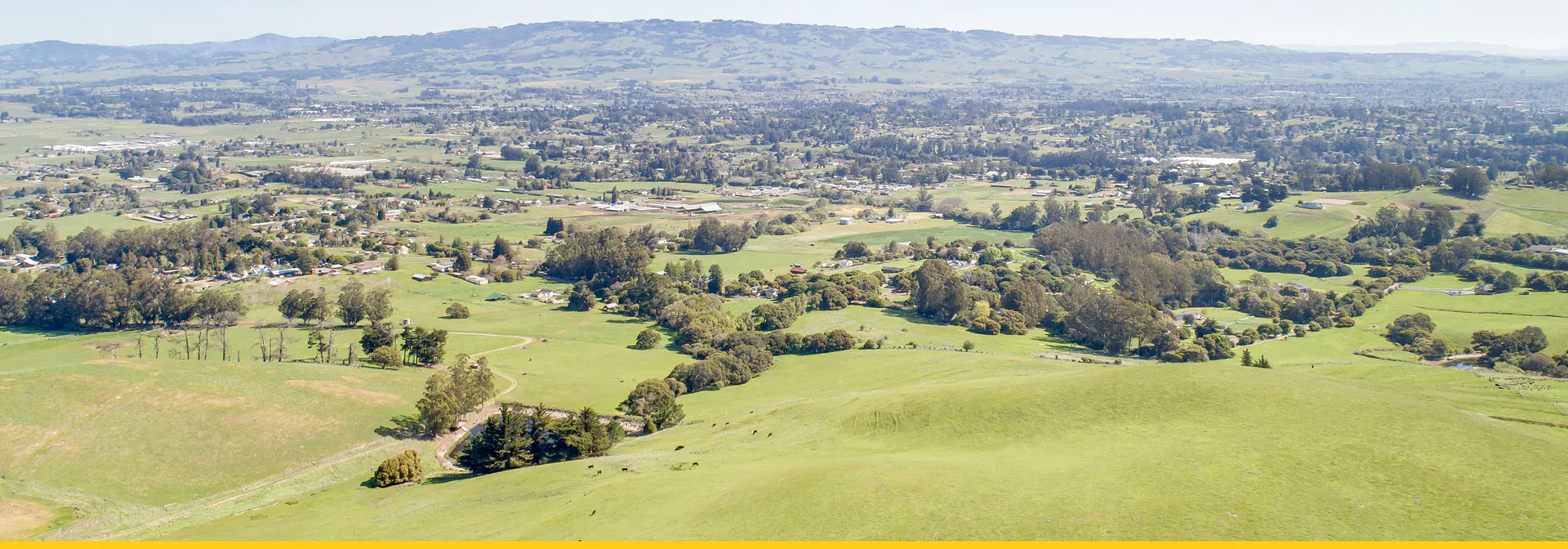
Petaluma and Two Rock are the working core of the territory I cover. Dairy country. Rolling grasslands that slope from Sonoma Mountain west toward the Pacific, cut by creek valleys and narrow two-lane roads whose names tell the history: Pepper Road, Chileno Valley, Middle Road, Red Hill, I Street Extension, San Antonio Road. Italian, Swiss, Portuguese, and Danish ranch families settled this country, and their names are still on most of the mailboxes.
From the Petaluma city limits running west to Two Rock, south to the Marin line, and north to the Estero Americano, this market carries a deep inventory of working ranch, dairy, equestrian, and agricultural holdings. Agricultural zoning, Williamson Act contracts, and Sonoma County Ag + Open Space District easements can all shape use, density, taxation, and resale strategy. Each parcel still needs its own file review.
The Petaluma Gap AVA, federally recognized in 2017, has added a vineyard-related diligence layer to parcels where elevation, wind exposure, water, and soils may permit viticulture. Pinot noir and chardonnay from this gap have built a reputation that can affect buyer interest, but not every ranch is a viable vineyard site. Soils, water, frost, slope, permits, and wind exposure decide the answer parcel by parcel.
I've worked this corridor for decades. My family's ranch is on Lohrman Lane. DRE public records show my California real estate licensure beginning in 1985 and broker licensure in 1989. What I know about these ranches is what I learned from the people who built them and from the recorded documents that still govern the land.
What you'll find here
Working dairies, mostly consolidated. The single-family dairy operations that defined this market for a century are still here, but fewer of them — the economics of California dairy have pushed herd sizes up and operator counts down. When a dairy comes to market, the buyer is usually another operator expanding, or a family transitioning out of dairy into cattle grazing. These sales are often relationship-driven and process-sensitive, with any public marketing, MLS timing, and buyer outreach handled according to seller instructions and applicable cooperation rules.
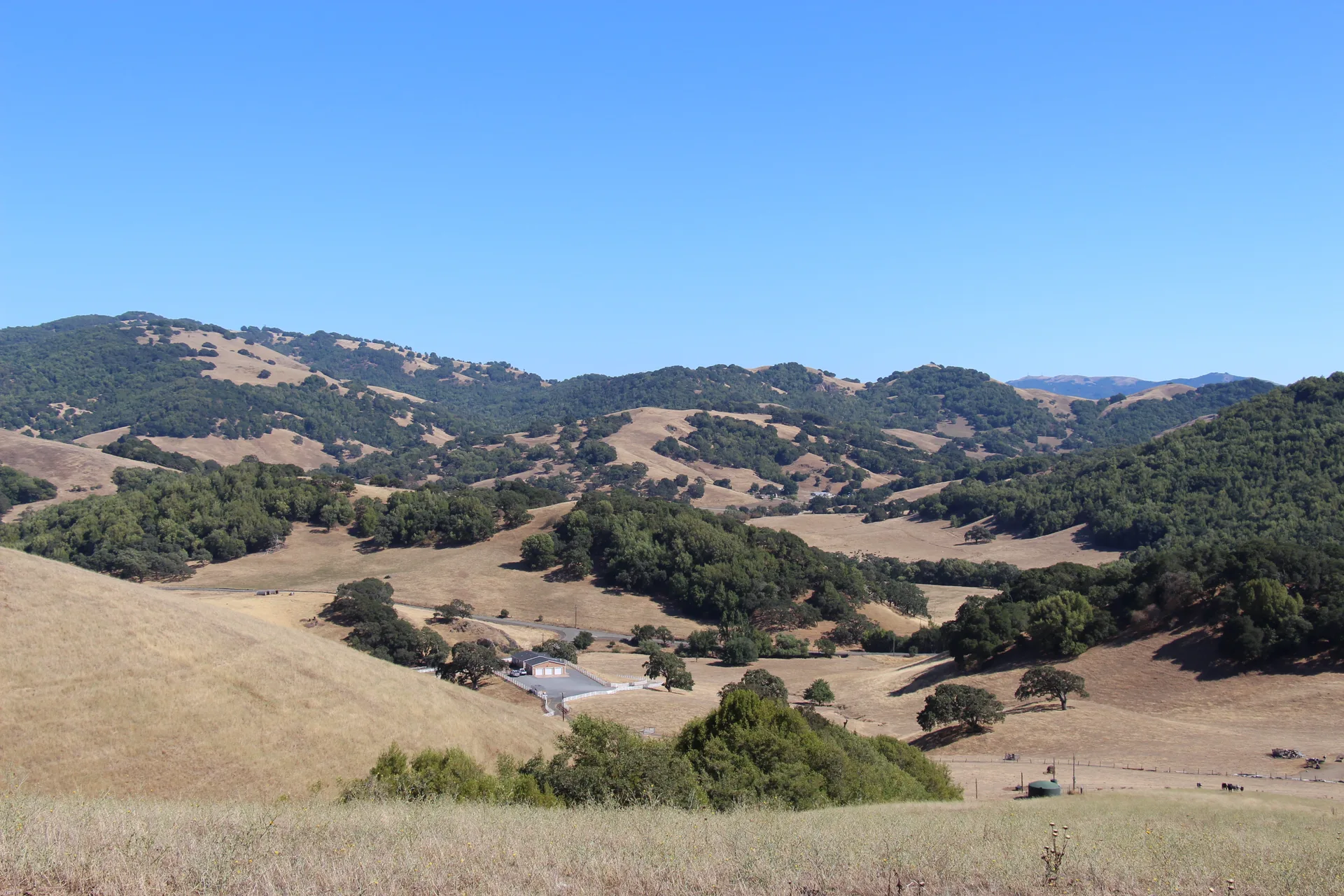
Working cattle ranches along Middle Road, Chileno Valley, Red Hill, and San Antonio Road. Many carry Williamson Act contracts, and some carry conservation easements. Value turns on water, usable acreage, improvements, access, residence quality, easement terms, and the rights a buyer can actually exercise.
Smaller equestrian and hobby ranch properties concentrated on the I Street corridor and along Bodega Avenue heading west toward Two Rock. These can trade differently from larger working ranches because the residence, barn infrastructure, commute pattern, and buyer use case may carry as much weight as the raw acreage.
The practical buyer question I keep coming back to on this land: what's the water story. Wells, springs, storage, and late-season production need source documents and current testing. Before I show a property, I ask about late-season well production because that question can change both the buyer's diligence plan and the value conversation.
Ranches I've represented in Petaluma & Two Rock
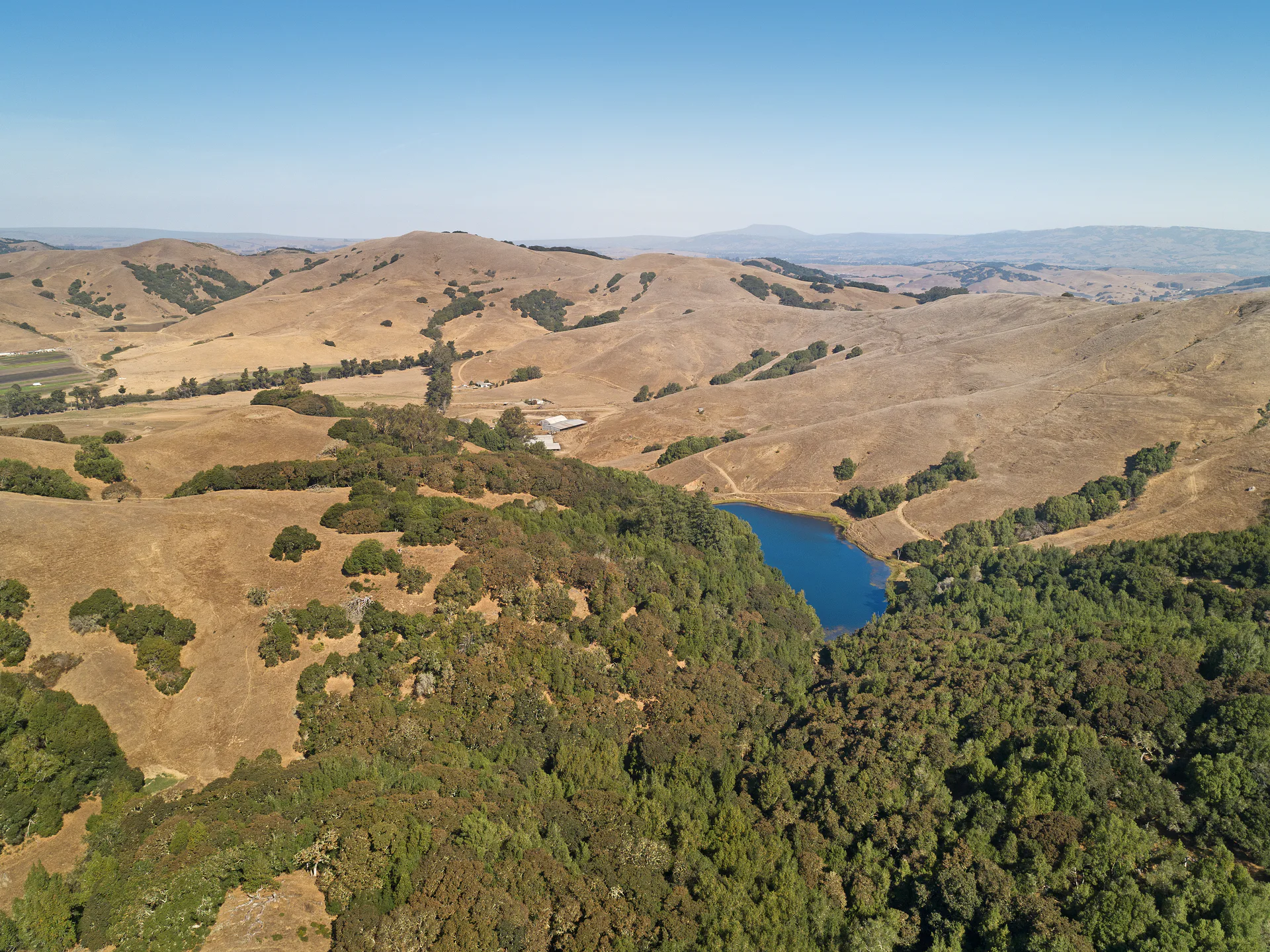
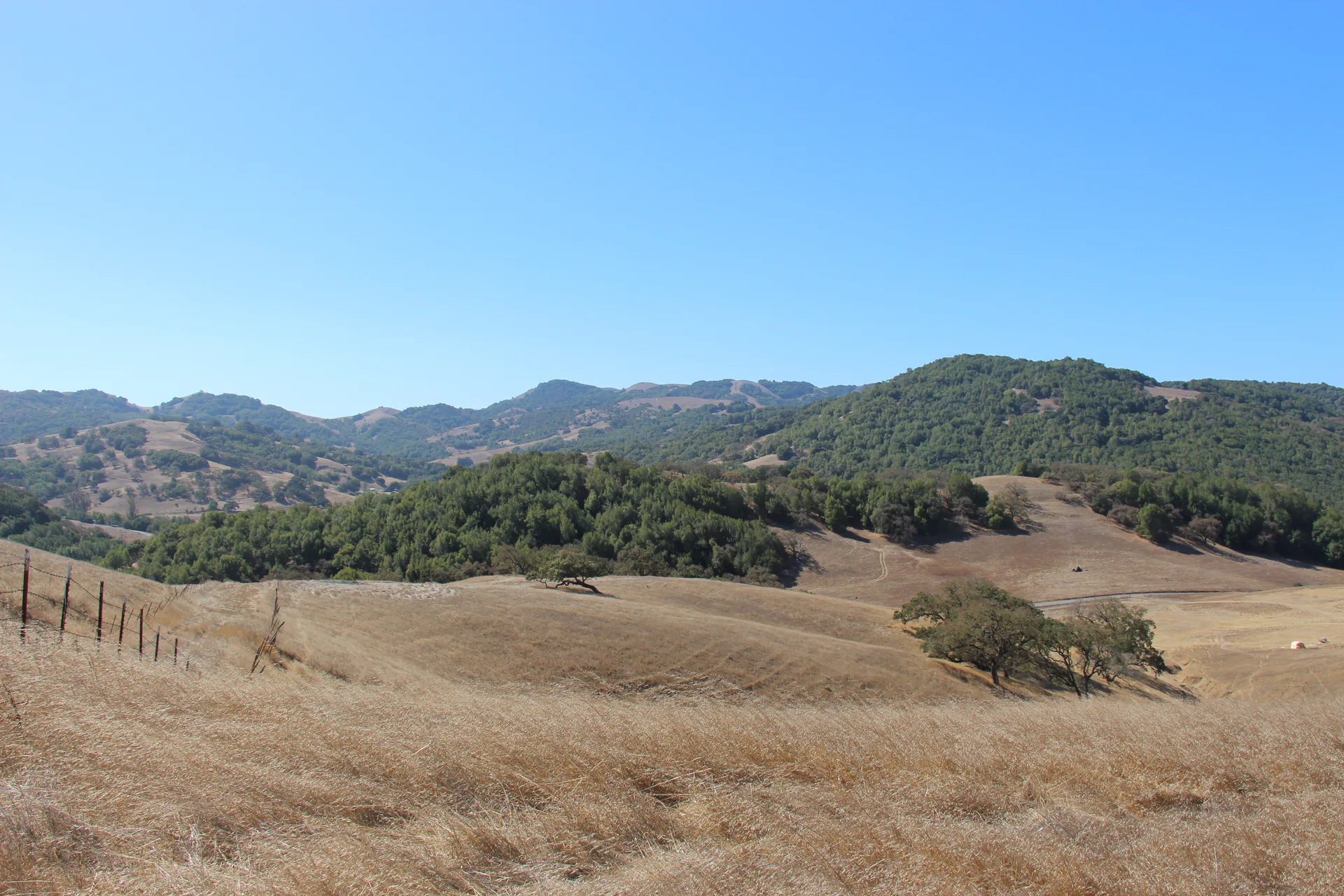
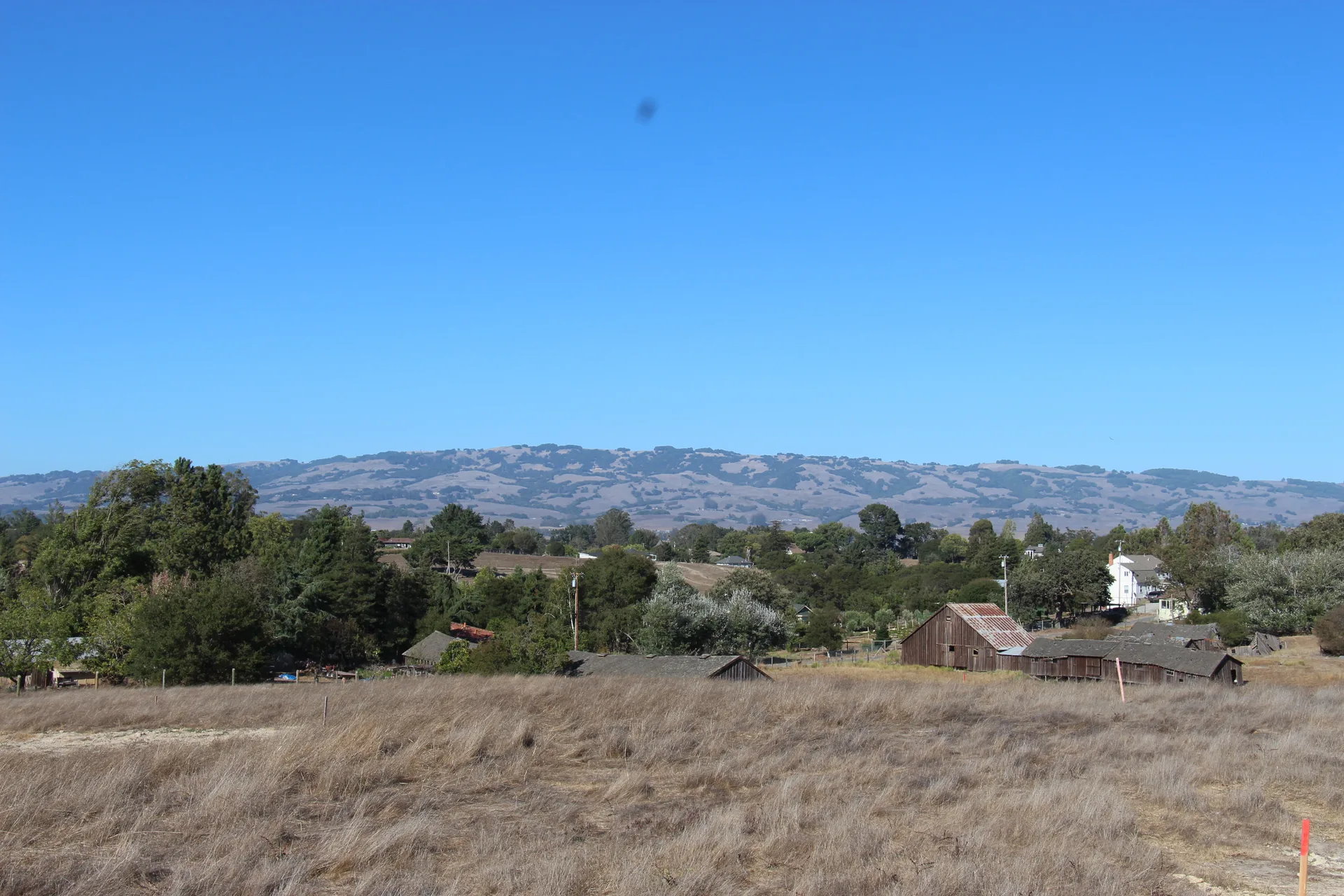
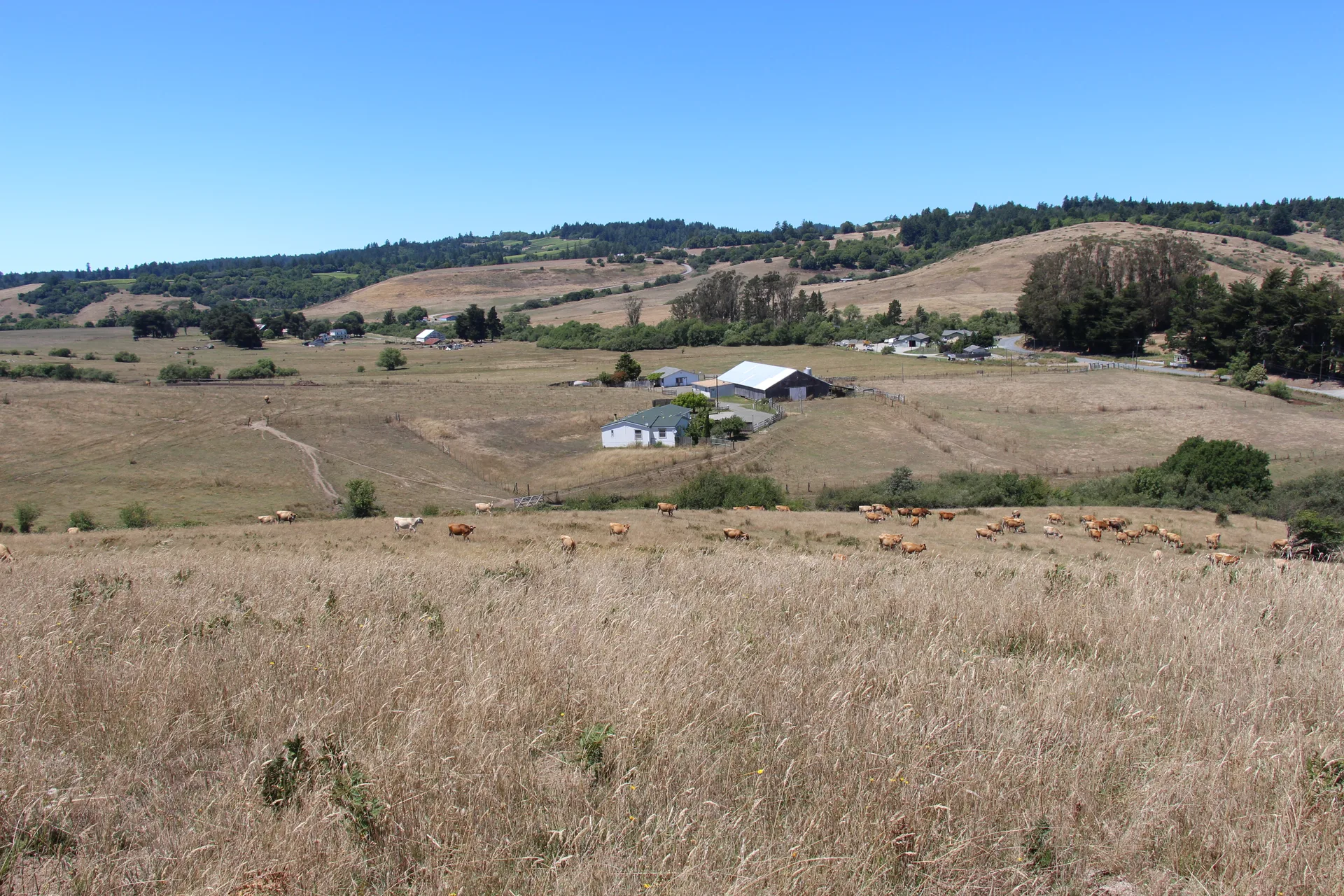
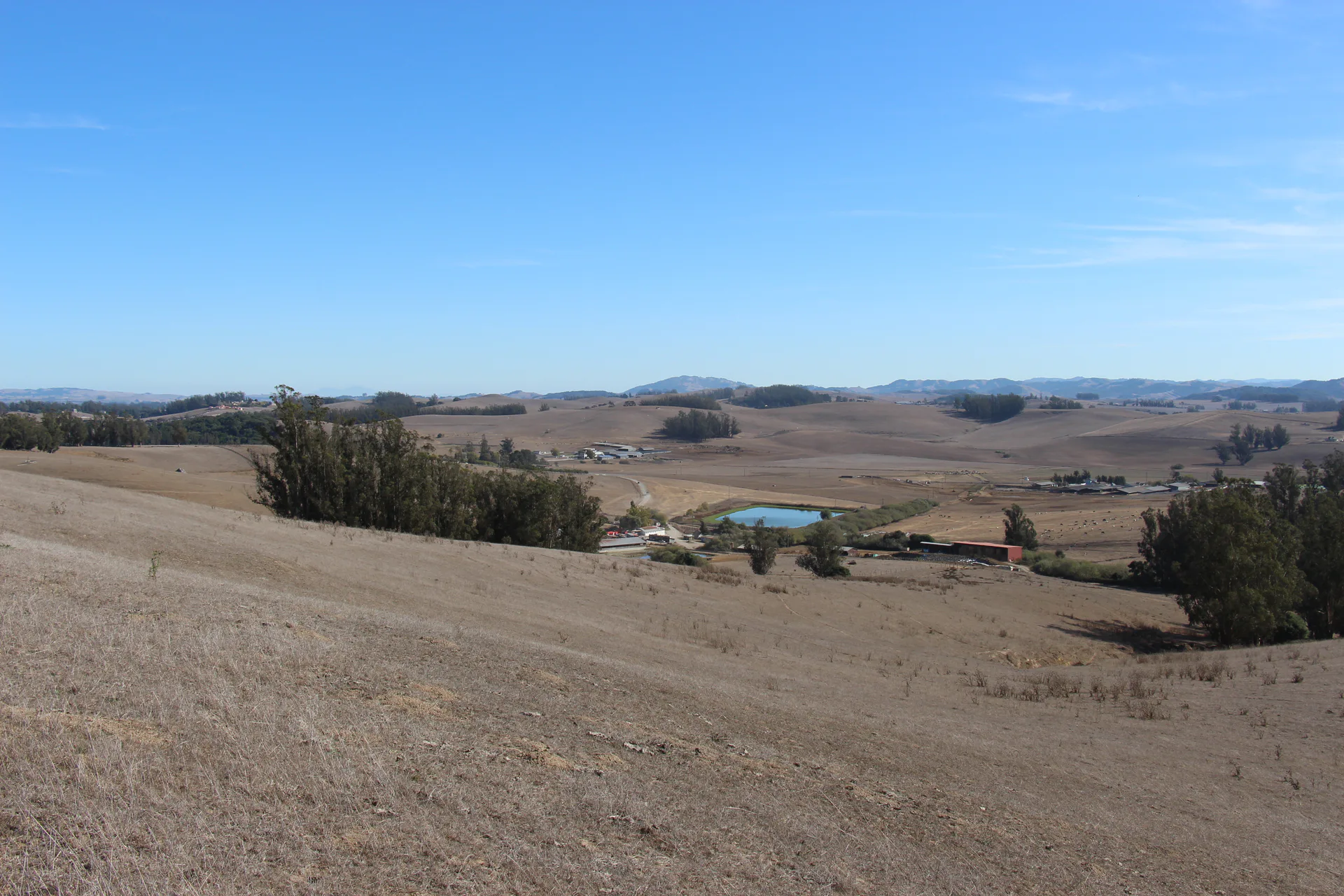
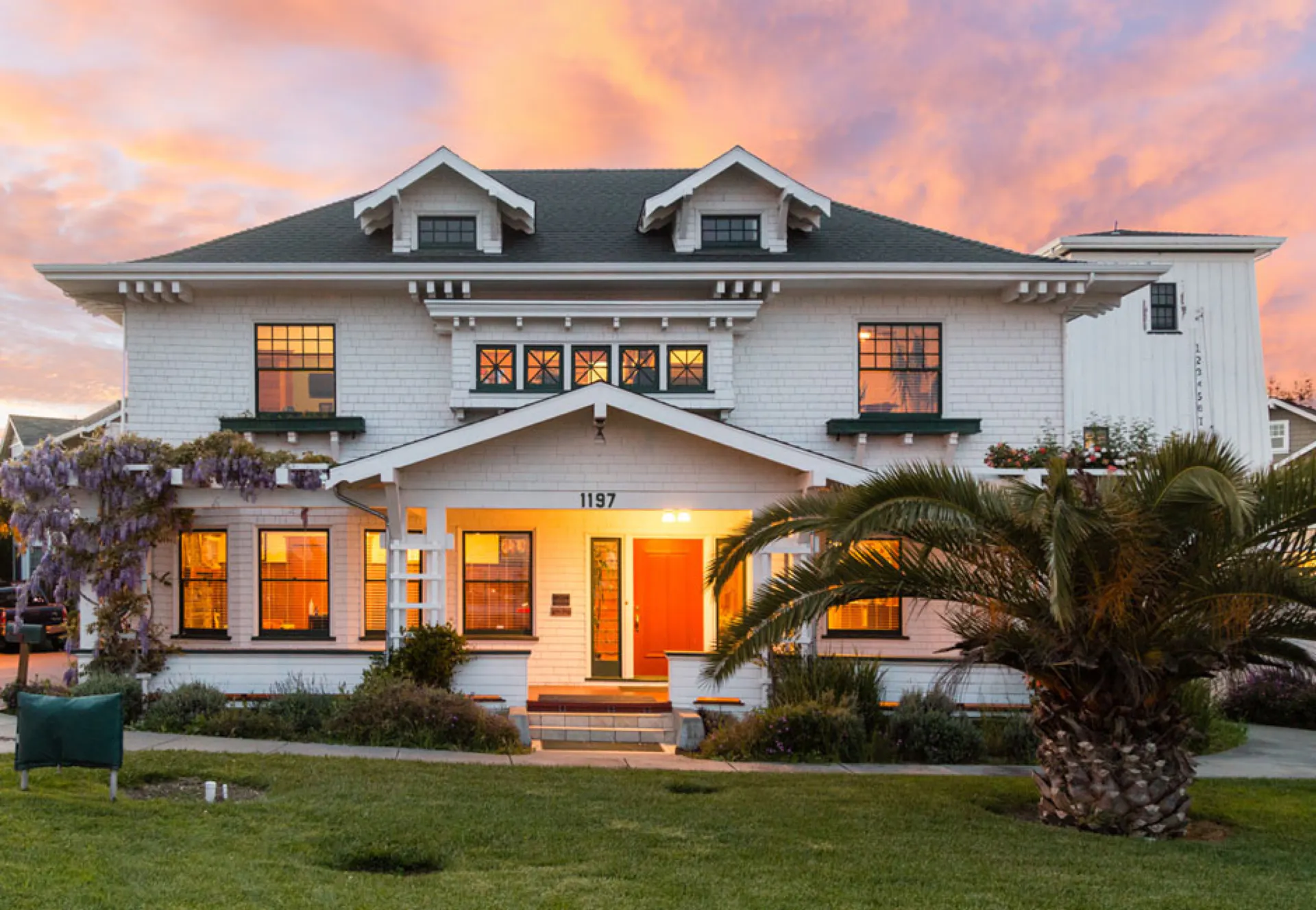
Every card below is a past ranch transaction. Click through for property-level detail — acreage, photos, and the story behind the transaction.
What every buyer should read first
Three recorded documents structure what you can and can't do with most ranches in this market: the Williamson Act contract, any conservation easement on title, and the Sonoma County zoning and building permit history. I've written primers on the first two of those — read them before the first showing, not after you're in escrow.
Questions buyers ask me about Petaluma & Two Rock
Looking in Petaluma & Two Rock?
Whether you're reviewing public inventory or trying to understand this market, the conversation starts the same way. Tell me what you're looking for and I'll tell you what I can discuss.
Send Me an Email (707) 769-7100